
Can an Affordable Container House Help Solve the Housing Shortage?
Finding a suitable home at a reasonable price is becoming increasingly difficult in many parts of the world. UN-Habitat highlighted the scale of this challenge in its World Cities Report 2026. According to the report, up to 3.4 billion people worldwide lack access to secure, safe, and adequate housing, while the global housing deficit reached 288 million units in 2023. The figures show that housing affordability and supply remain major concerns for communities and governments.
As housing costs rise, developers and buyers are looking for building options that can meet practical needs while keeping project planning manageable. Could an affordable container house be one option worth exploring?
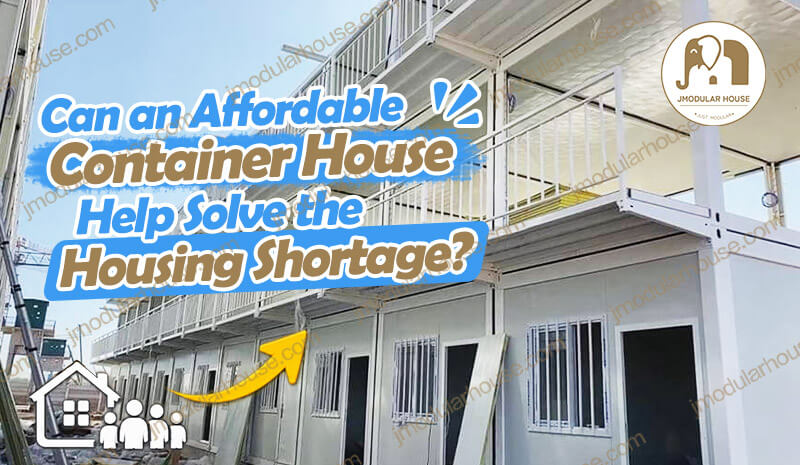
Why Is Affordable Housing So Important?
A home is more than a building. It provides a place for daily life, family activities, and personal security. However, traditional housing projects can require substantial investment in land, materials, labor, and construction management. When these expenses increase, providing new homes at affordable prices becomes more challenging.
The need for additional housing has encouraged interest in prefabricated housing. Instead of completing every building component on-site, manufacturers can prepare many parts in a factory before delivery. This can help organize production and reduce some on-site work, depending on the project design.
For buyers considering an affordable container house, this approach offers another way to plan a building project. The overall budget should still include transportation, foundations, installation, interior configuration, and local approval requirements.
What Makes Container Houses Flexible?
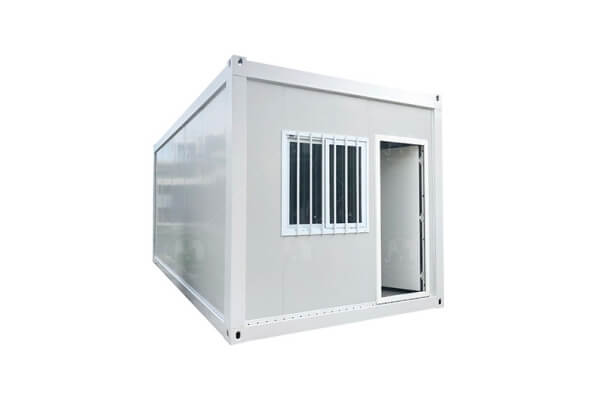
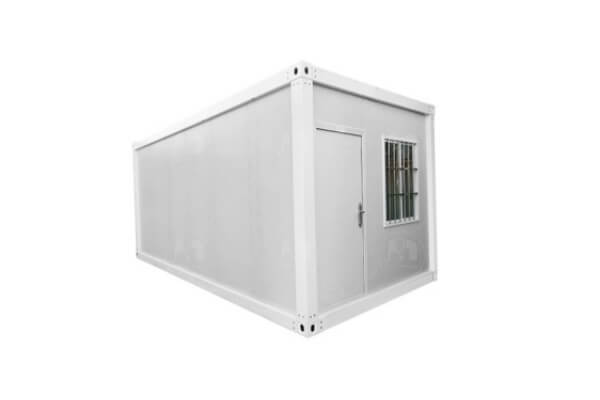
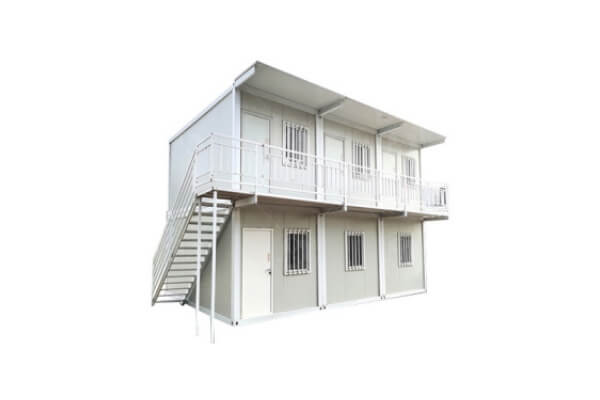
A modular container house uses individual units that can be used separately or arranged together. A single unit may provide a small living space, office, or accommodation room. Several units can be combined to create larger layouts for workers, guests, or residential use.
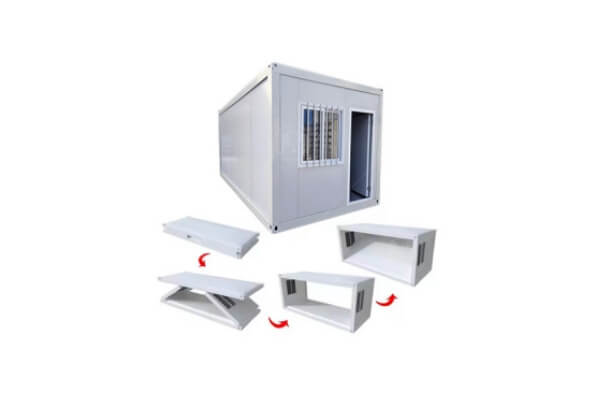
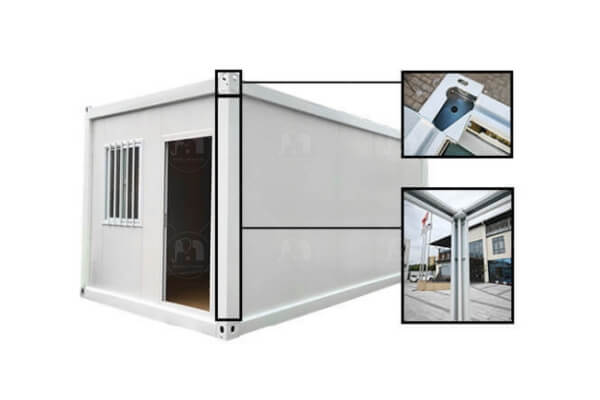
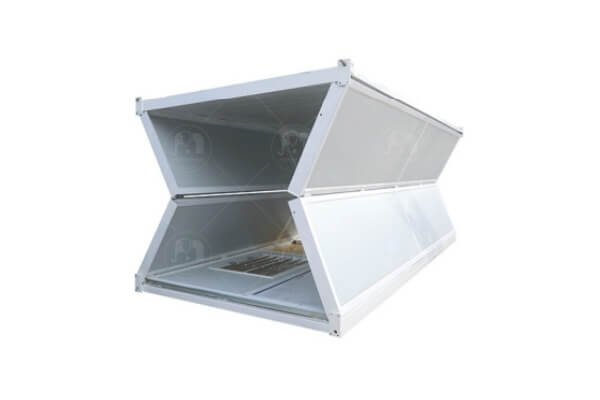
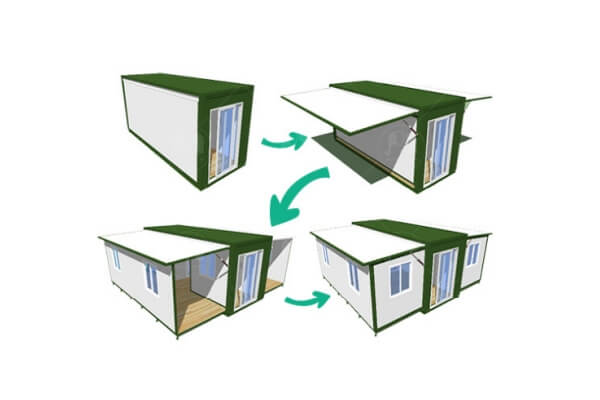
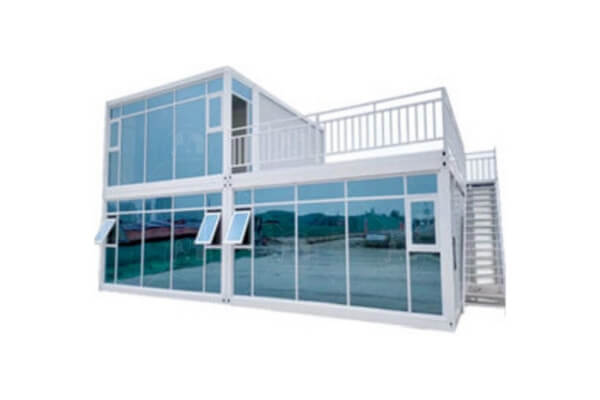
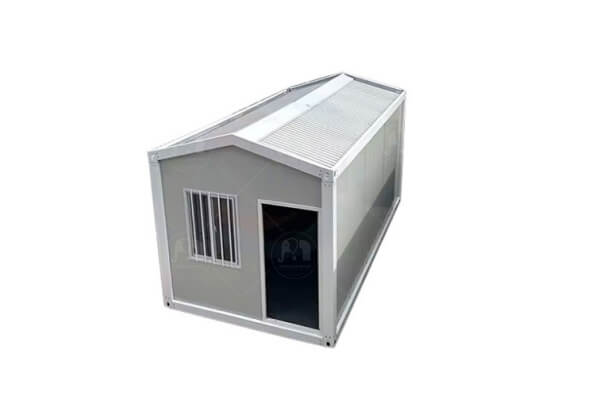
Different product structures provide additional choices. A flat pack container house is designed for compact transportation before assembly. A detachable container house may be suitable when a building could need to be relocated. An expandable container house provides more interior space after its structure is opened.
These options allow buyers to select an affordable container house according to the purpose of the project. Rather than using one standard layout for every application, developers can compare different sizes and structures.
Supporting Different Project Requirements
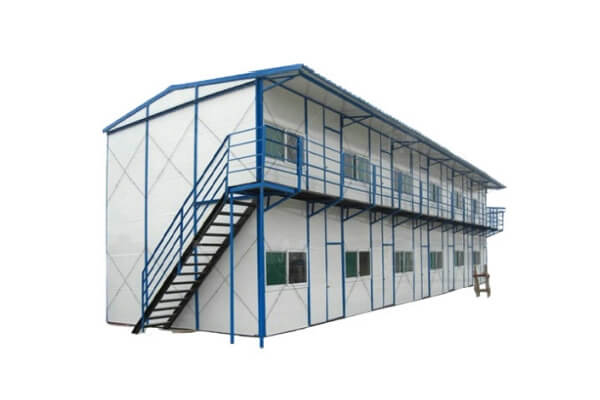
A modular container house can be considered for worker dormitories, temporary accommodation, rural living spaces, resort guest rooms, and small residential developments. For example, a construction company may need accommodation close to a project site, while a resort developer may want several guest rooms with a consistent layout.
In these situations, prefabricated housing can provide a production method that helps prepare units before they arrive at the site. Multiple modular container house units can also be planned together to create separate rooms or connected accommodation areas.
For a project with a limited budget, an affordable container house may be worth comparing with other building options. The best choice depends on the number of users, available land, local climate, and required facilities.
What Should Buyers Consider Before Choosing?
A container house is not automatically the lowest-cost or most suitable option for every location. Buyers should check insulation, ventilation, foundation requirements, transportation access, safety standards, and local building regulations. These factors can affect both the final budget and the suitability of the building.
It is also important to compare the complete project cost instead of focusing only on the initial unit price. Careful planning helps ensure that the selected design meets the actual needs of the project.
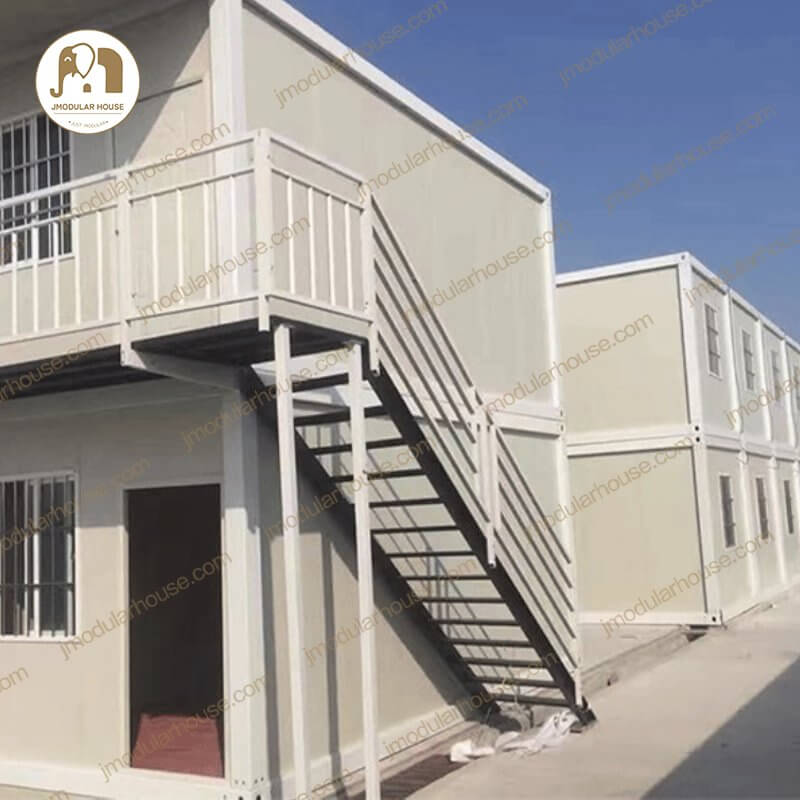
Another Option for More Flexible Housing
The global housing shortage requires long-term efforts involving housing policy, land planning, infrastructure, and investment. No single building product can address all these issues.
Nevertheless, prefabricated housing can provide an additional choice for projects that need practical spaces and organized production. An affordable container house may suit certain accommodation and residential applications, while a modular container house can offer different layout possibilities through combined units.
For buyers planning a new project, exploring flat pack, detachable, and expandable container house designs is a useful first step toward finding a suitable solution.
