
What Is the Best Container House for Different Projects?
Prefabricated container houses are becoming a practical option for construction sites, worker accommodation, hotels, resorts, and temporary commercial facilities. As businesses look for flexible ways to create usable space, choosing the right building type has become an important part of project planning. A flat pack container house and an expandable container house are two options worth comparing when selecting a container house for different projects.
Although both types can provide functional space, their structures, transportation methods, and installation requirements are different. Understanding these differences helps buyers identify a solution that matches their project size, site conditions, and intended use.
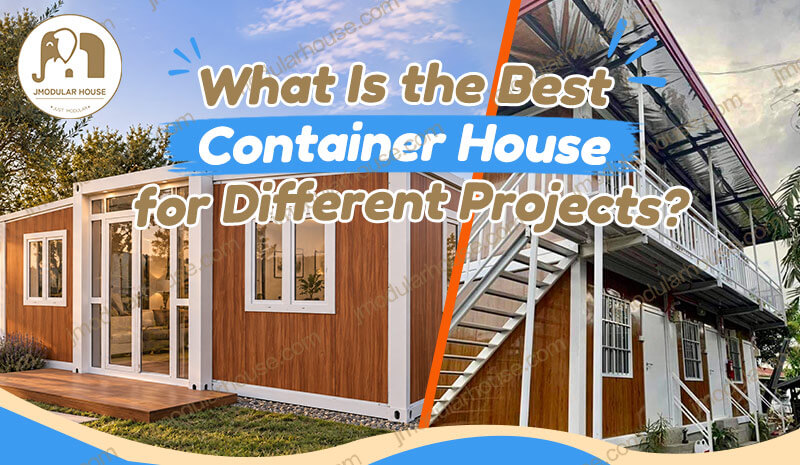
Flat Pack Container Houses for Multi-Unit Projects
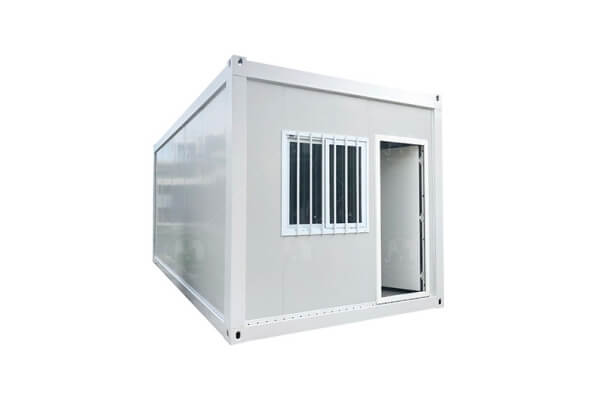
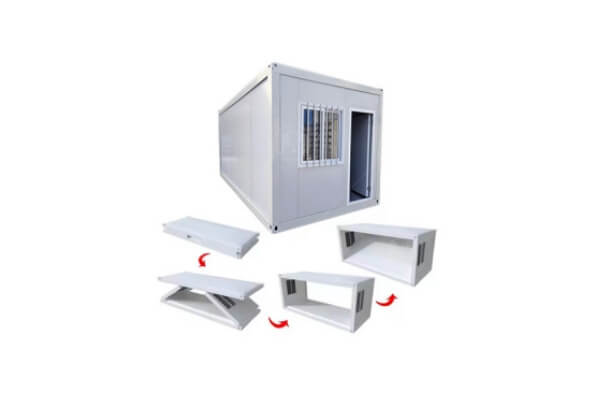
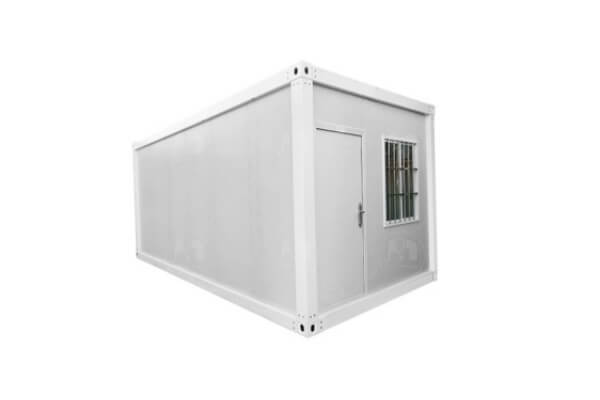
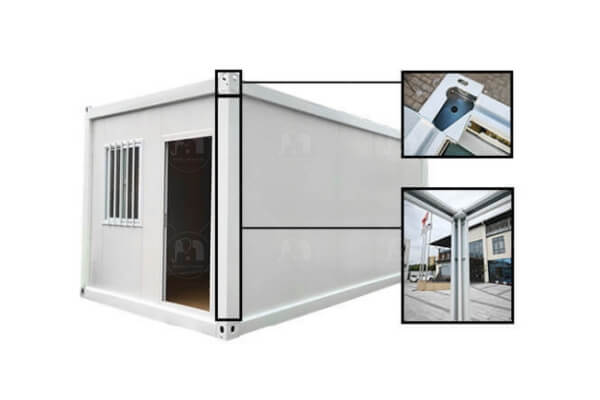
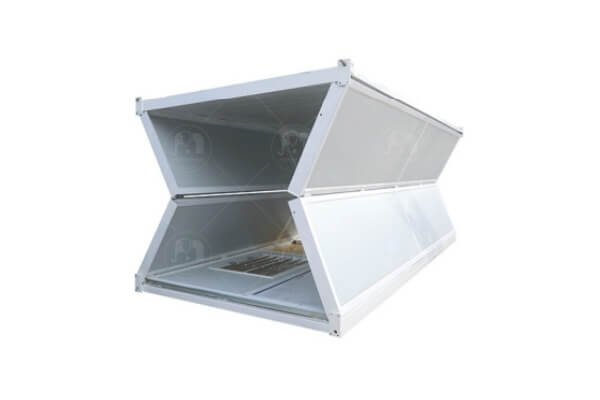
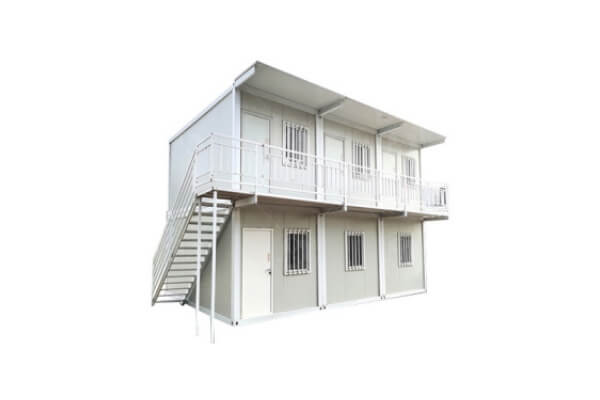
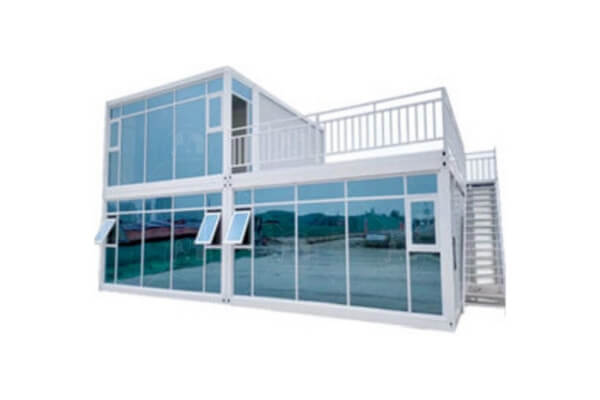
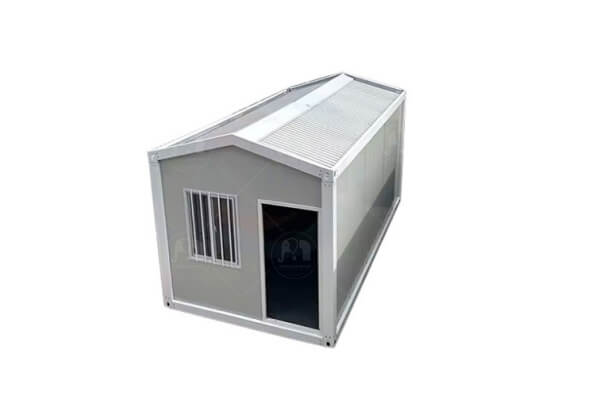
A flat pack container house is transported in a packed form and assembled at the destination. This approach can be suitable for projects that require multiple buildings arranged into a coordinated layout. Depending on the model, units can be used as site offices, meeting rooms, worker accommodation, classrooms, canteens, or other supporting facilities.
Construction projects are a typical example. A large site may need separate office areas, sleeping rooms, and shared spaces for employees. With a flat pack container house, project planners can organize these functions according to the available land and operational requirements. This makes flat pack buildings worth considering when a project needs several units rather than one large individual building.
A flat pack container house may also be considered for projects developed in stages. A site may initially need a small office and several accommodation units, then require additional space as the workforce grows. The number and arrangement of units can be planned around the available land, although future expansion will depend on the site layout and the selected product system.
Transportation planning is another important factor. Buyers should confirm packing dimensions, shipment quantities, loading arrangements, and access conditions at the destination. Actual transport efficiency varies by model and order size, so checking product specifications is essential when comparing a flat pack container house with other building options.
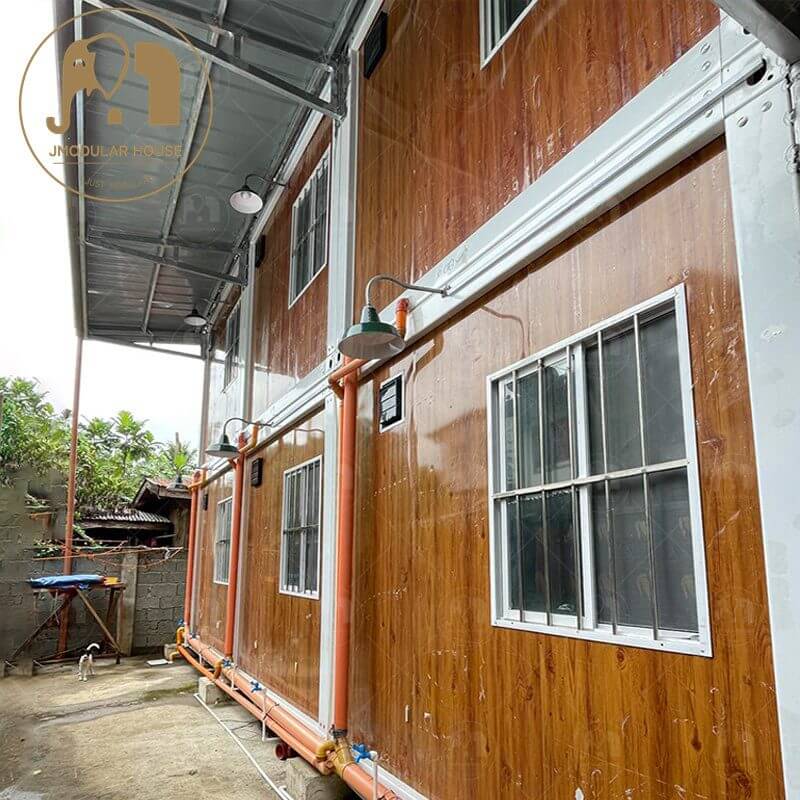
Expandable Container Houses for Individual Living Spaces
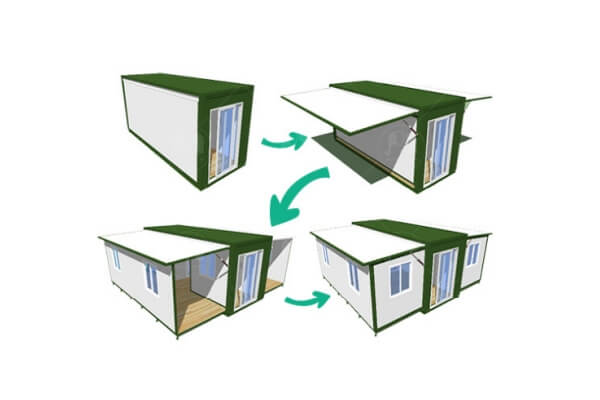
An expandable container house follows a different design approach. It is transported in a folded configuration and opened at the destination to create a larger interior. This design may be suitable when an individual unit needs to provide living space, guest accommodation, or a private working area.
For tourism developments, individual accommodation units can influence the overall guest experience. Operators may need to consider interior space, room arrangement, furniture placement, and access around each building. An expandable container house can be evaluated for these requirements because its expanded layout may provide more usable space within one unit. The actual floor area and configuration depend on the selected model.
Temporary accommodation projects may also consider an expandable container house when a relatively spacious individual unit is preferred. Before installation, buyers should review both the folded transportation dimensions and the expanded footprint. The site must provide enough room for opening the structure, operating installation equipment, and maintaining necessary access around the building.
However, not every accommodation project has the same requirements. A development with many standardized rooms may prioritize the overall layout and number of units, while a smaller resort may focus more on the interior space of each guest unit. These differences are important when choosing a container house for different projects.
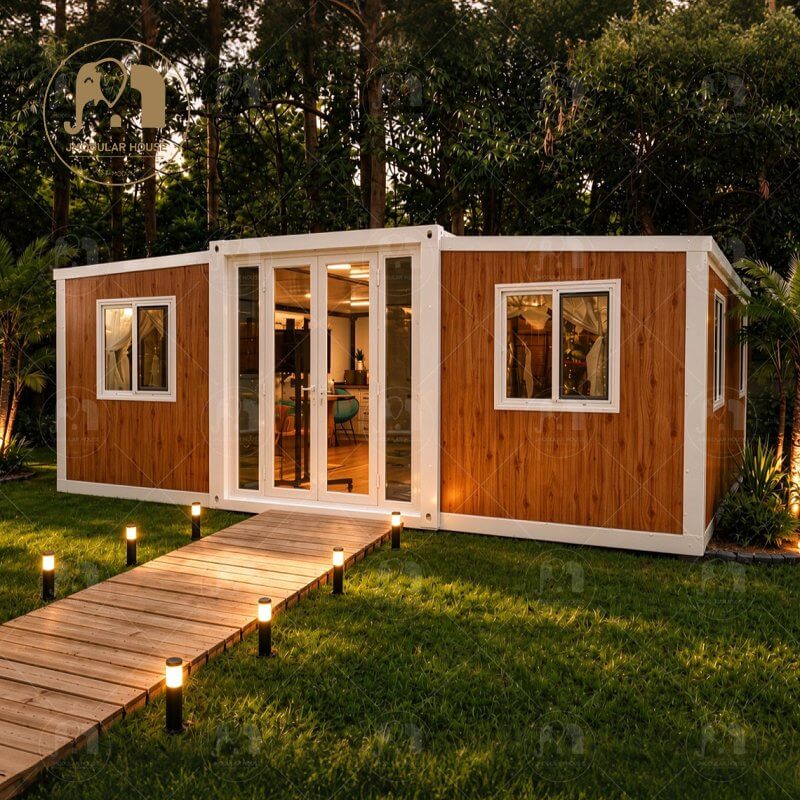
How Should Buyers Compare the Two Options?
When selecting a container house for different projects, buyers should first define the main purpose of the building. The next step is to assess the number of users, required interior area, expected project duration, available site space, and delivery conditions.
For a project involving multiple buildings, a site layout can help determine where offices, accommodation units, and shared facilities should be positioned. A flat pack container house may be worth evaluating when the plan involves several coordinated units. For projects that need larger individual interiors, an expandable container house may be a more relevant option to assess.
Budget planning should cover more than the initial purchase price. Transportation, unloading, foundations, installation labor, equipment, and interior configuration can all affect the total cost. Future relocation or reuse may also matter, particularly for temporary construction facilities and projects operating in changing locations.
Buyers should confirm the actual dimensions and installation requirements with the supplier. Products within the same category may differ in room layout, size, and available configurations. Reviewing drawings before ordering can help ensure that the selected flat pack container house or expandable container house matches the site’s practical requirements.
Choosing According to Real Project Needs
There is no single building type that suits every situation. A flat pack container house may be a suitable candidate for projects that require multiple units and an organized layout, while an expandable container house may be worth considering when a larger individual interior is a priority.
The best container house for different projects depends on the balance between transportation, installation, interior space, and future use. By comparing these factors before purchasing, businesses can make a more informed decision and select a solution that supports their actual project requirements.
As prefabricated buildings continue to serve a wider range of industries, clear planning remains essential. Identifying the main purpose, understanding the site conditions, and checking the specifications of each model can help buyers move beyond a general product comparison and choose a building solution that fits their project more effectively.
