
Bisakah Rumah Kontainer Prefab Menjadi Solusi Praktis Perumahan Terjangkau?
As global housing prices continue to rise and urban populations rapidly expand, affordable housing has become one of the biggest social and economic challenges worldwide. Governments, developers, and communities are all searching for faster, lower-cost, and more sustainable housing solutions. In this context, prefab container houses are gaining increasing attention as a practical alternative for low-cost living and social housing projects.
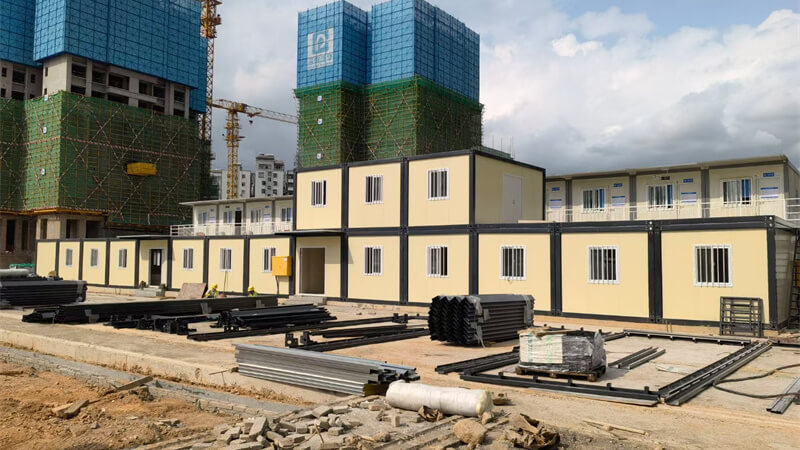
With their modular design, rapid installation, and flexible applications, prefab container houses are no longer viewed as simple temporary shelters. Instead, they are evolving into modern living spaces that can provide safe, comfortable, and affordable accommodation for people facing housing pressure.
Why Are Prefab Container Houses Receiving More Attention?
Traditional housing construction often requires large investments, long project timelines, and significant labor resources. For low-income groups or rapidly growing cities, these factors make affordable housing development difficult.
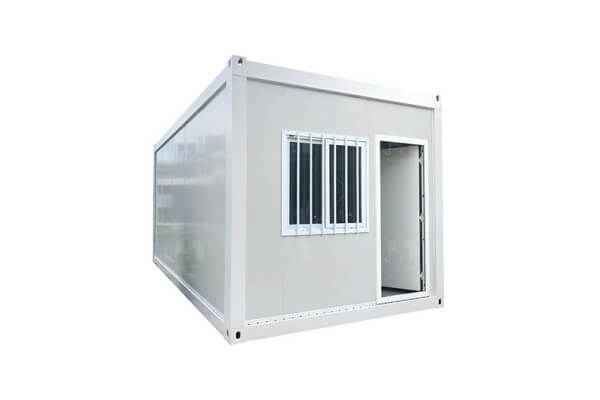
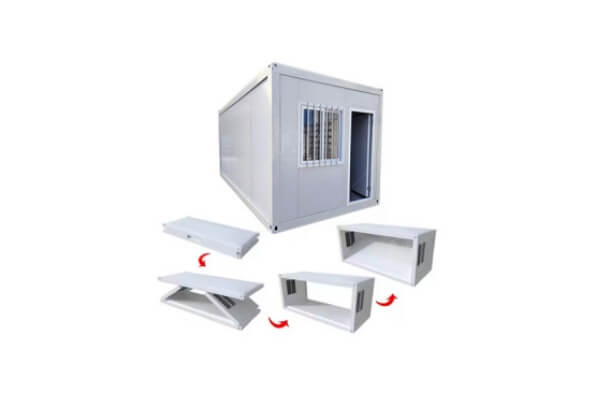
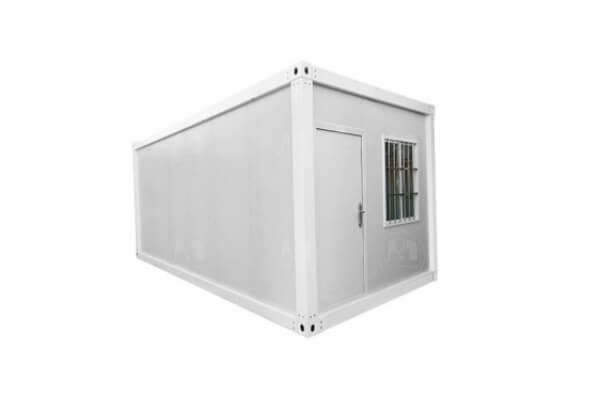
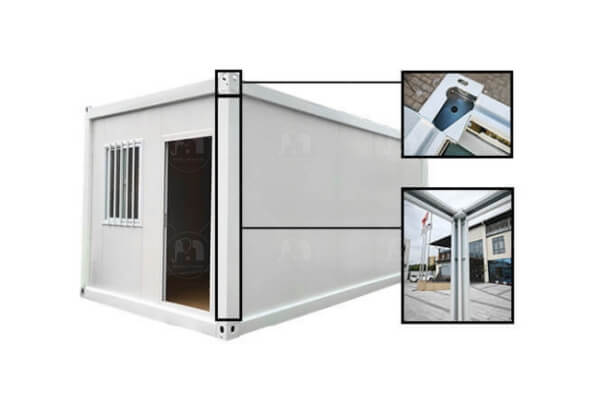
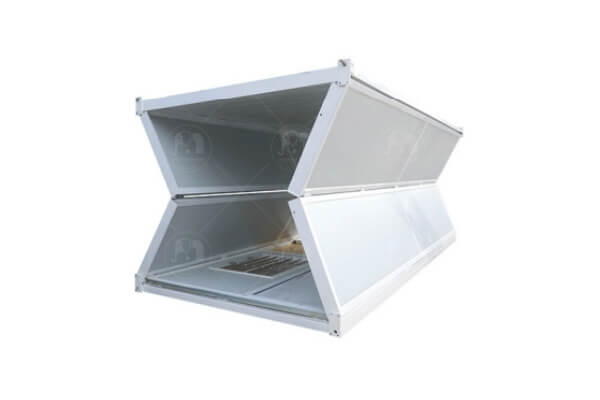
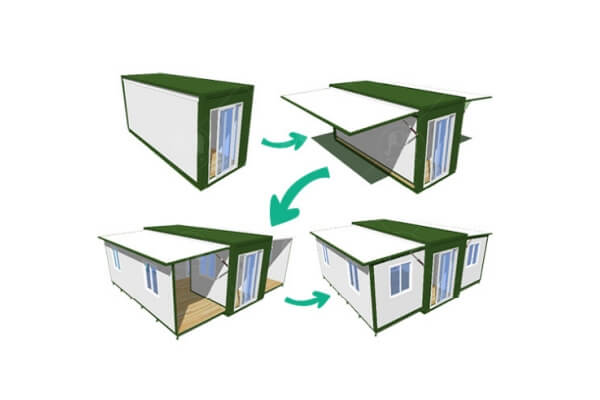
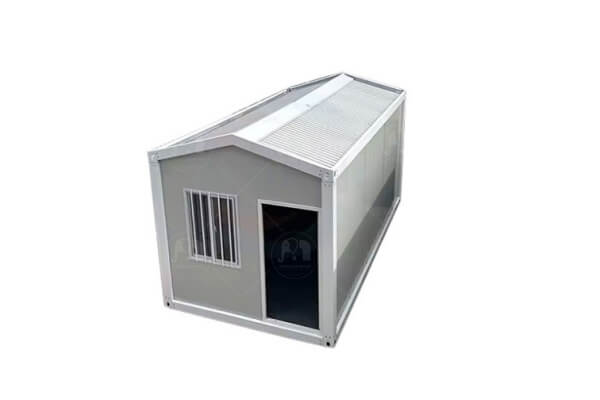
Prefab container houses offer a different approach. Manufactured in factories and assembled on-site, these modular buildings can dramatically reduce construction time and overall costs. Their steel structure, fire resistance, and moisture-proof design also improve durability and safety.
From Temporary Housing to Modern Communities
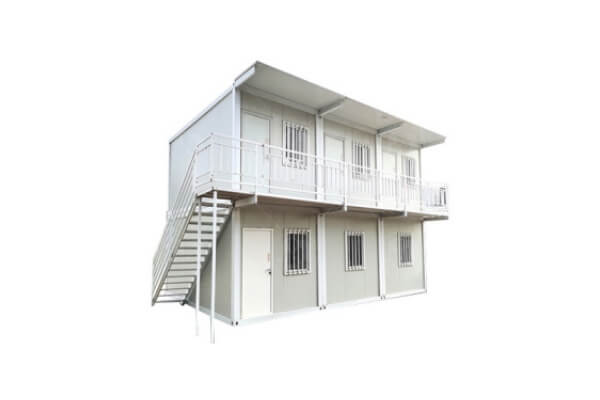
Container housing has already been widely adopted in many countries for different types of accommodation and commercial projects. Beyond worker dormitories, prefab container houses are now used for:
Student housing
Hotels and resorts
Shopping centers
Hospitals and clinics
Emergency shelters
Affordable housing communities
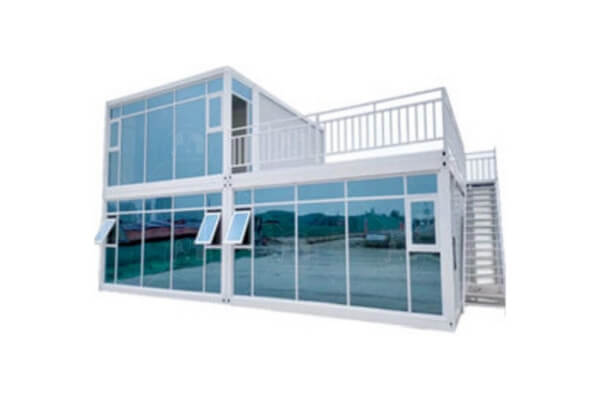
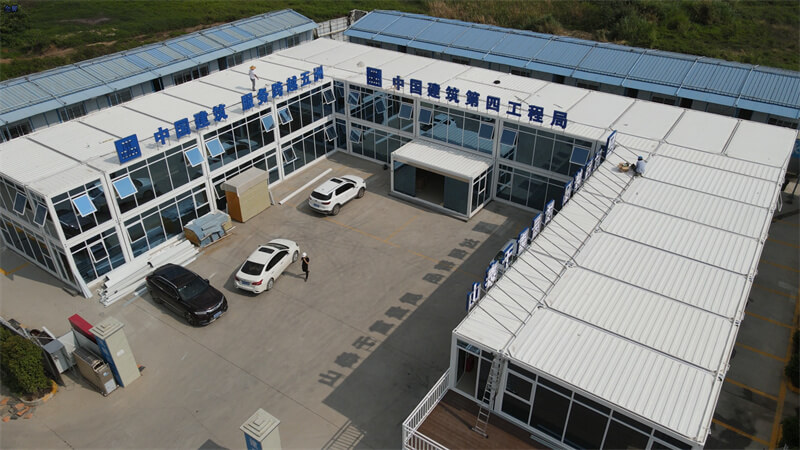
These projects demonstrate that container architecture is no longer limited to industrial or temporary applications. Through modern design and customization, prefab container houses can become attractive, functional, and human-centered living environments.
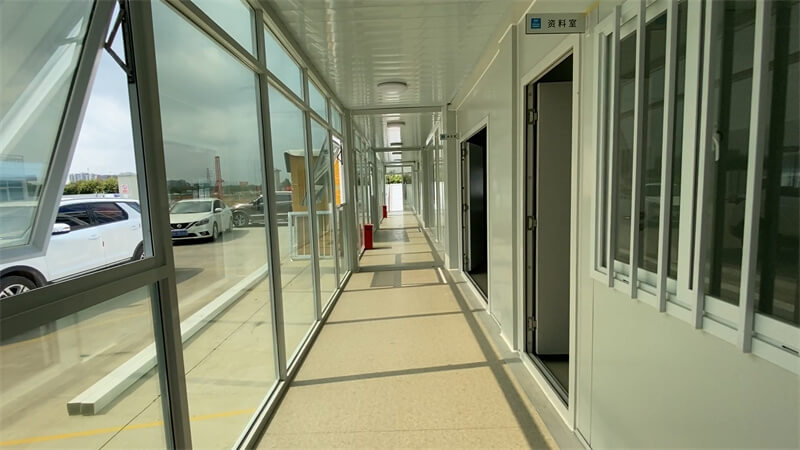
The integration of modern interior decoration, energy-saving systems, and modular layouts has greatly improved both comfort and aesthetics.
The Real Challenge: Land and Infrastructure
While prefab container houses provide an affordable building solution, the larger challenge often lies in land availability and infrastructure support.
For affordable housing projects to succeed, several key conditions are necessary:
Legal land use approval
Access to water and electricity
Transportation and public infrastructure
Urban planning and policy support
Once these conditions are addressed, prefab container houses can be deployed quickly and efficiently to help relieve housing shortages.
Compared with traditional buildings, modular container housing offers the advantage of flexibility. Units can be relocated, expanded, or reused according to changing urban needs, making them particularly valuable for transitional housing and rapidly developing areas.
Can Prefab Container Houses Truly Help Solve Housing Problems?
Prefab container houses may not completely replace traditional housing, but they offer a highly practical and scalable solution for addressing housing shortages, emergency accommodation needs, and affordable housing development.
For cities facing increasing population pressure and rising construction costs, modular container housing provides an opportunity to create livable spaces quickly, efficiently, and sustainably.
As technology advances and public acceptance grows, prefab container houses are likely to play an increasingly important role in the future of affordable housing worldwide.
