
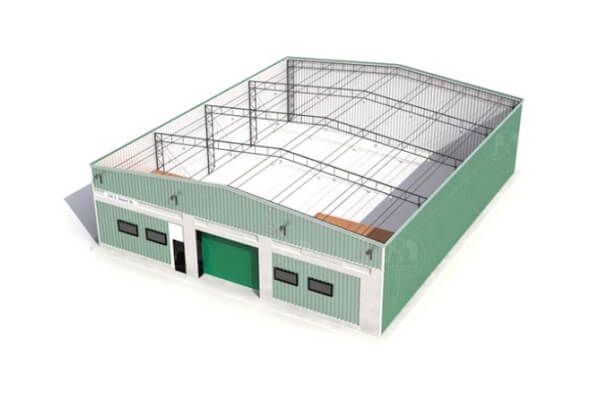
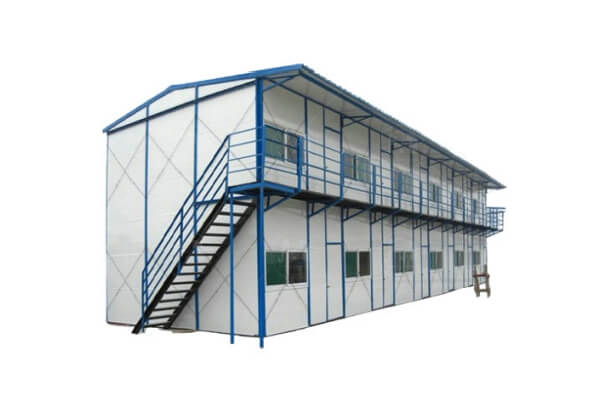
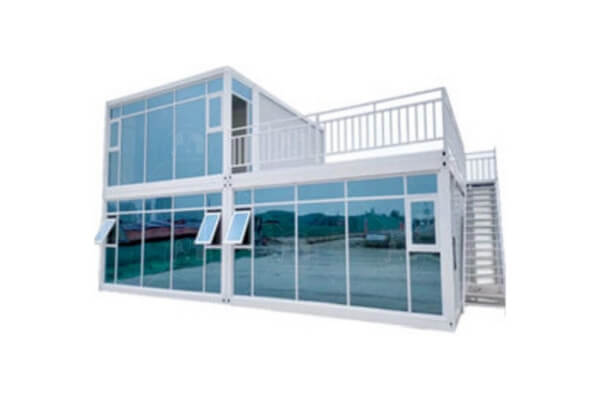
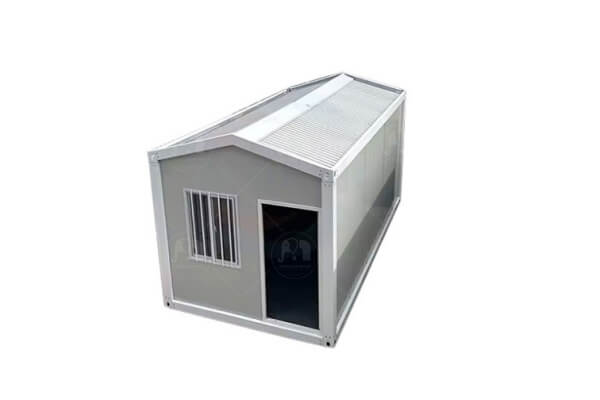
Bagaimana Arsitektur Kontainer Mengubah Masa Depan Konstruksi Berkelanjutan?
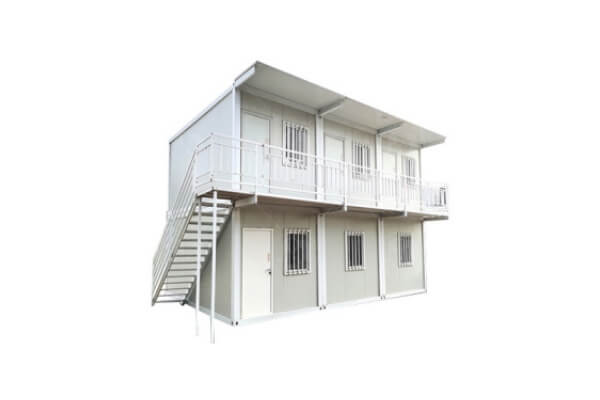
As the construction industry moves toward greener, faster, and more efficient building methods, container architecture is emerging as one of the most innovative solutions for modern development. Combining modular engineering with sustainable design, container buildings are changing how homes, offices, schools, and commercial facilities are planned and constructed.
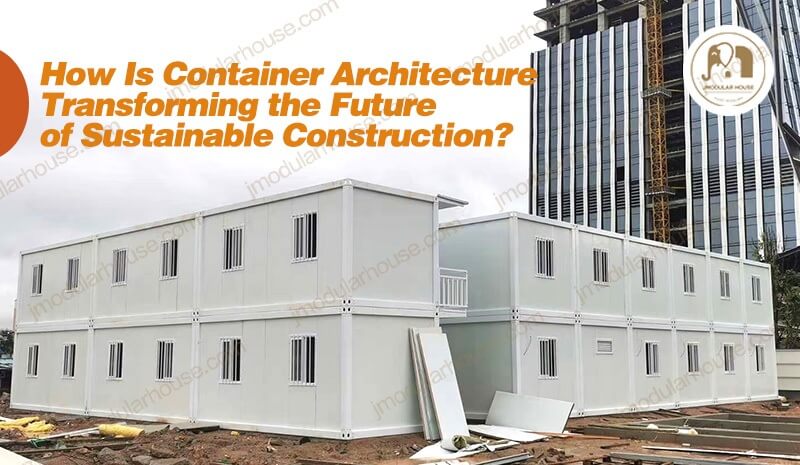
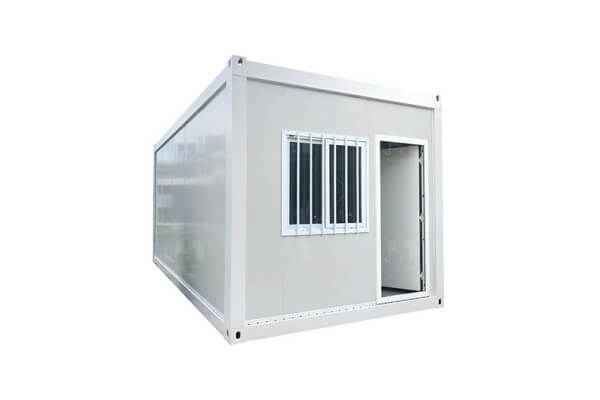
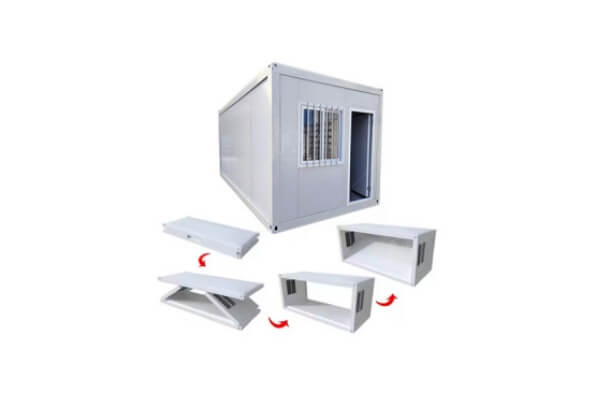
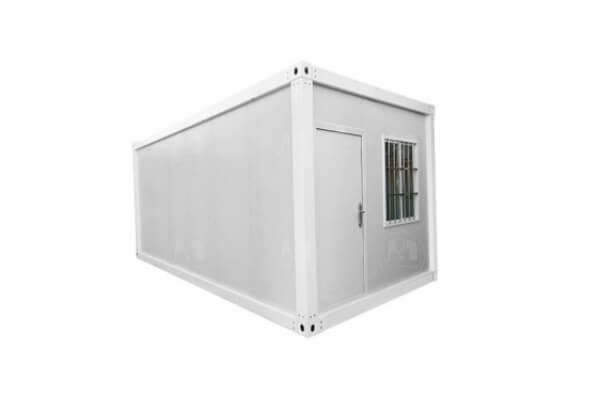
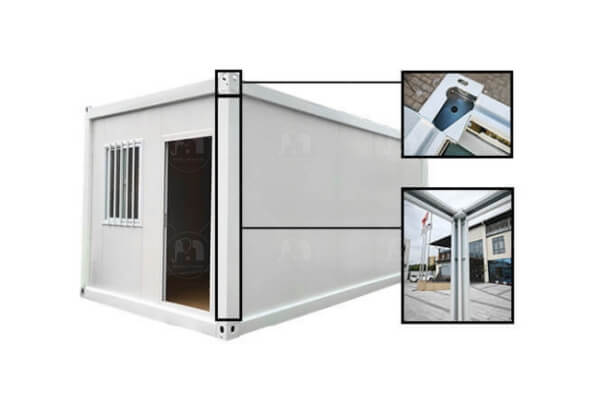
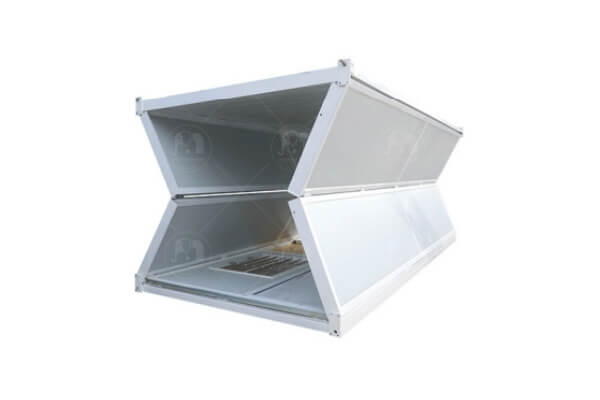
Rather than relying on lengthy traditional construction processes, container architecture uses prefabricated steel modules that are manufactured in factories, transported to the project site, and assembled in a fraction of the time. This modern approach not only accelerates project delivery but also reduces environmental impact while providing flexible and durable spaces for a wide range of applications.
Why Is Container Architecture Gaining Worldwide Attention?
Urbanization, labor shortages, rising construction costs, and growing environmental concerns have encouraged governments and developers to seek alternative building methods. Container architecture addresses these challenges by offering a construction system that is faster, cleaner, and more resource-efficient than conventional buildings.
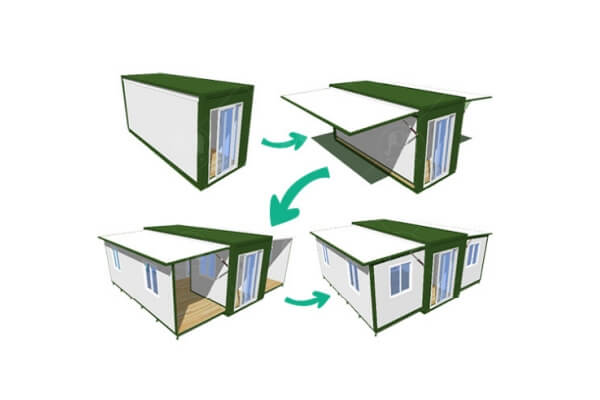
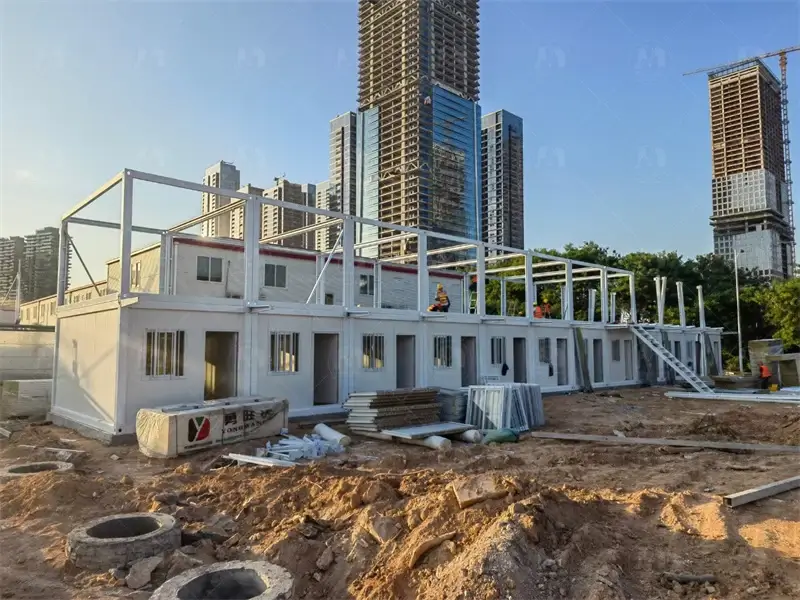
Unlike traditional construction, where every wall, floor, and roof is built on-site, container buildings are manufactured in controlled factory environments. Structural fabrication, insulation, electrical wiring, plumbing, and interior finishing can all be completed before transportation, allowing the modules to arrive almost ready for use.
Once delivered, the modules are lifted into position and connected, dramatically reducing on-site construction activities and minimizing disruption to the surrounding environment.
Faster Construction with Greater Efficiency
One of the greatest advantages of container architecture is its remarkable construction speed.
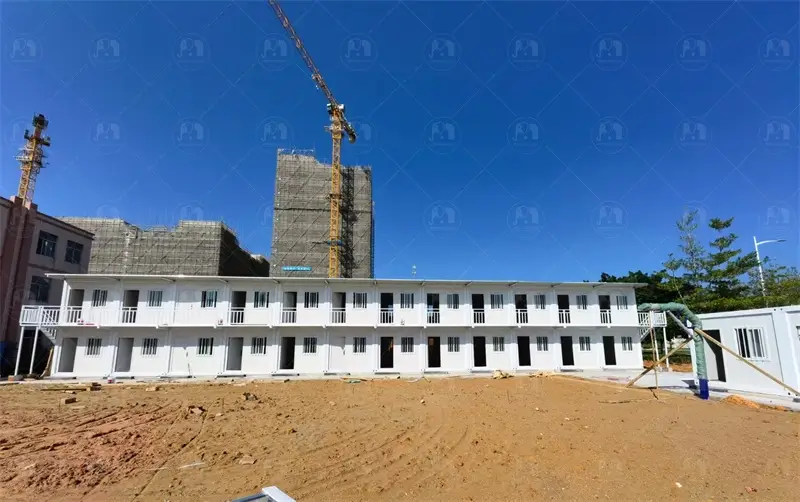
Factory production allows multiple building modules to be manufactured simultaneously while site preparation is taking place. This parallel workflow can reduce the overall project schedule by more than 60% compared with traditional construction methods.
For projects such as construction camps, worker accommodations, schools, hospitals, emergency shelters, and commercial facilities, rapid deployment means earlier occupancy, lower labor costs, and improved project efficiency.
Because most construction work is completed indoors under strict quality control, weather delays are also significantly reduced.
Sustainable Building for a Greener Future
Environmental protection has become a major priority across the global construction industry, and container architecture offers several important sustainability advantages.
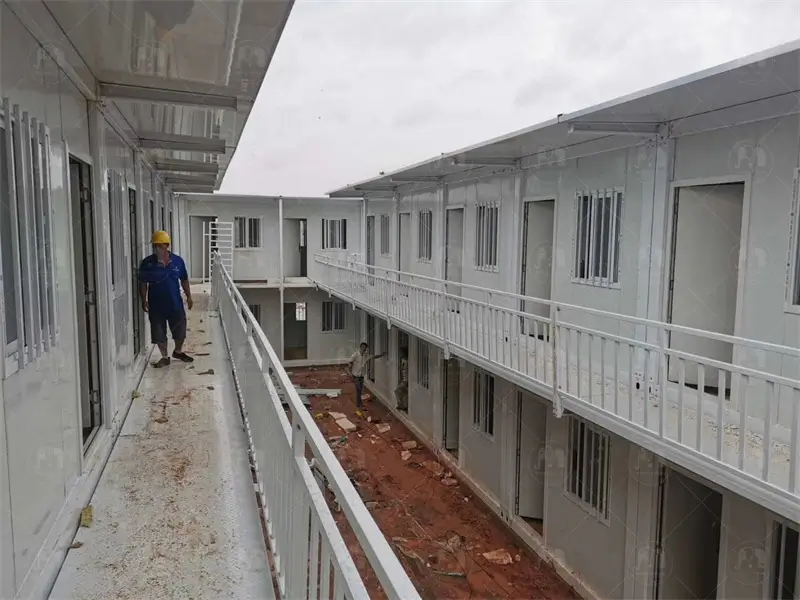
Many container buildings make use of existing steel shipping containers or modular steel structures, reducing the demand for new raw materials. This approach supports the principles of the circular economy by extending the useful life of steel resources while minimizing construction waste.
Compared with conventional concrete buildings, container architecture also consumes fewer construction materials and generates less dust, noise, and site pollution during installation.
Modern container buildings can also incorporate:
High-performance thermal insulation
Energy-efficient windows and doors
Solar photovoltaic systems
Rainwater collection systems
Smart energy management technologies
Kesimpulan
Container architecture represents far more than a new construction method—it is a modern building philosophy focused on efficiency, sustainability, and flexibility.
By combining factory precision, rapid installation, modular design, and environmentally responsible construction, container buildings are helping reshape the future of architecture across residential, commercial, industrial, and public sectors.
As global demand for green building solutions continues to grow, container architecture is positioned to become one of the most influential innovations in modern construction, providing smarter spaces that benefit both people and the planet.
