
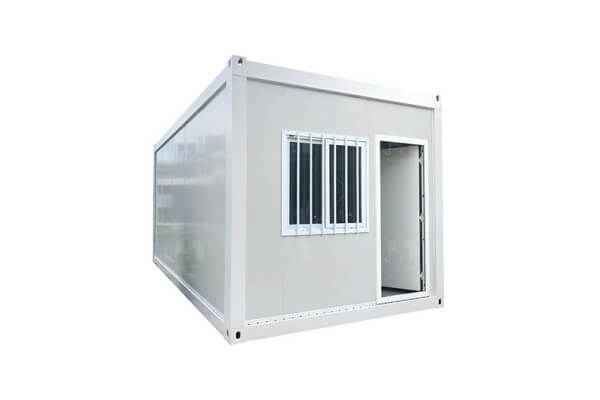
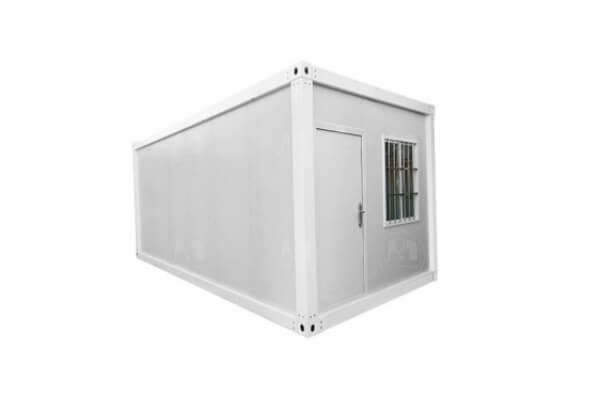
Как долго ваш контейнерный дом сможет выдерживать климат Ближнего Востока?
В сложных условиях Ближнего Востока, где сильная жара и сильные песчаные бури являются нормой, потребность в надежном временном и модульном жилье остается постоянной. Являясь ведущим поставщиком контейнерных домов в регионе, JM заработала репутацию поставщика высококачественных и экономически эффективных контейнерных решений. Частый вопрос наших клиентов: как долго могут прослужить эти конструкции?
В этой статье представлен всесторонний взгляд на срок службы прочных сборных домов экспортного качества на Ближнем Востоке, исследуется роль качества материалов, структурного проектирования и текущего обслуживания.
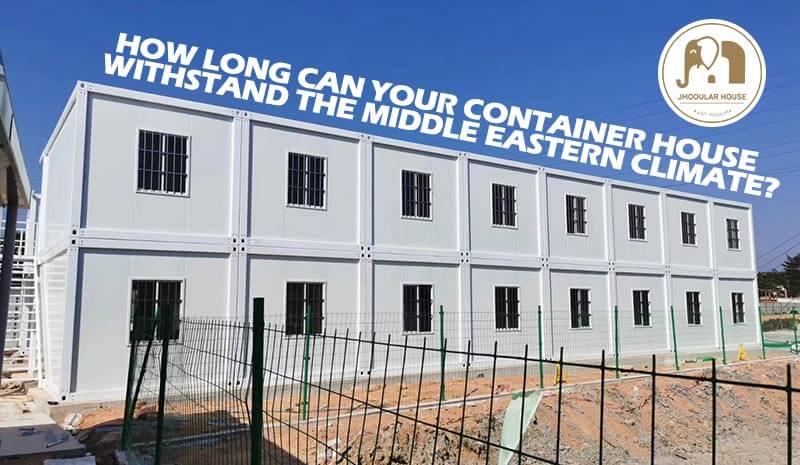
Реальность: данные о сроке службы контейнерных домов JM
Хотя теоретический срок службы наших контейнерных домов составляет от 12 до 15 лет, реальные эксплуатационные характеристики, поддерживаемые постоянным обслуживанием, доказывают, что они могут безопасно превышать 18 лет в таких регионах, как ОАЭ и Саудовская Аравия.
Основная стальная конструкция: Эти конструкции, изготовленные из оцинкованной стали марки Q235B (или выше) с плотностью покрытия ≥ge 120 г/м², обеспечивают надежную коррозионную стойкость в течение 15–20 лет.
Стены из сэндвич-панелей: Благодаря двусторонним стальным пластинам с цветным покрытием толщиной 0,5 мм, заполненным 100 мм минеральной ватой или полиуретаном, эти панели сохраняют тепловую эффективность в течение 10–12 лет.
Системы уплотнения: В условиях сильной жары резиновые уплотнения из EPDM являются наиболее уязвимыми компонентами. Мы рекомендуем заменять их каждые 3–4 года, чтобы сохранить структурную целостность и комфорт.
Общая долговечность: При стандартном уходе вы можете рассчитывать на среднюю продолжительность жизни от 12 до 18 лет.
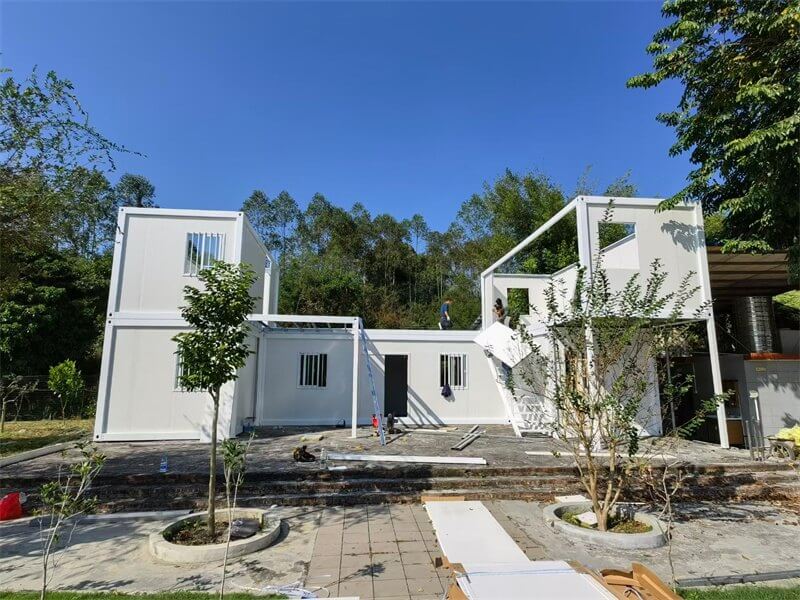
Четыре столпа модульного дизайна, готового к использованию на Ближнем Востоке
Не все дома из контейнеров созданы для выживания в пустыне. Чтобы хорошо работать на Ближнем Востоке, структура должна обладать:
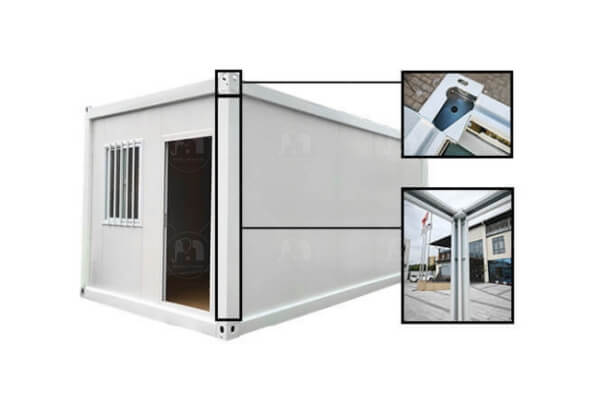
Экстремальная устойчивость к ветру: Песчаные бури могут привести к скорости ветра, превышающей 35 м/с. Наши контейнерные конструкции спроектированы так, чтобы выдерживать 12 баллов по шкале Бофорта, и для соединений используются горячеоцинкованные болты вместо стандартной сварки, что обеспечивает превосходную стабильность.
Улучшенная теплоизоляция: Поскольку летние температуры часто превышают 50°C, в плохом жилье температура внутри может достигать непригодной для проживания. Наши полиуретановые панели толщиной 100 мм могут поддерживать разницу температур внутри и снаружи в пределах 12–15°C, что значительно снижает затраты на охлаждение.
Расширенная защита от коррозии: Прибрежные районы, такие как Доха или Дубай, требуют специальной защиты. Мы используем двухслойную защитную систему — грунтовку с высоким содержанием цинка в сочетании с высокоэффективным верхним слоем — общей толщиной не менее 120 микрометров для предотвращения преждевременного ржавления.
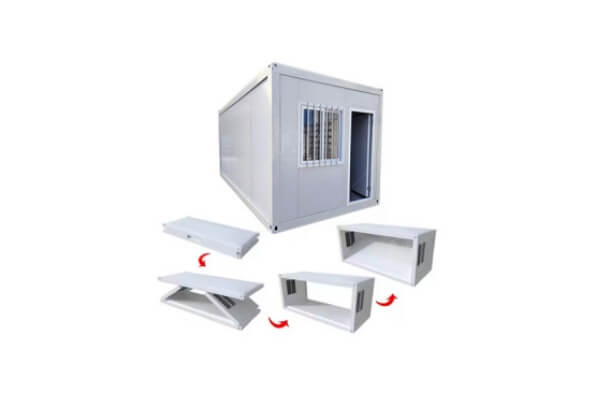
Модульная гибкость: Наша стандартизированная конструкция гарантирует, что каждый компонент — от стеновых панелей до дверей — является независимым модулем. Это позволяет проводить целенаправленную замену, а не требовать сноса всей конструкции.
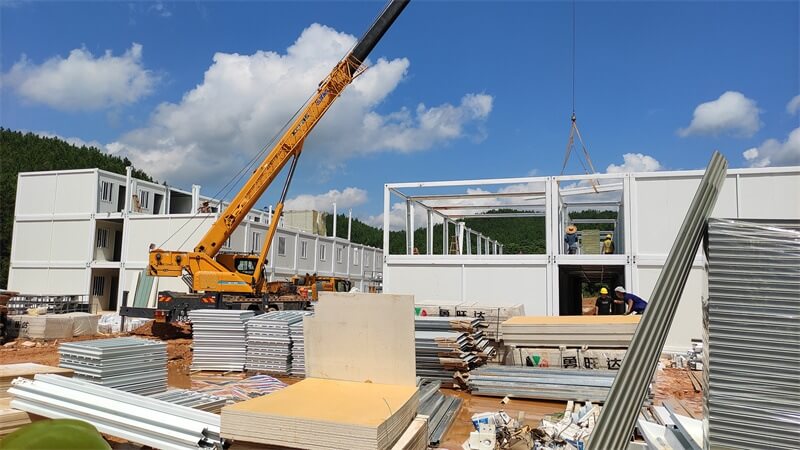
Факторы, влияющие на продолжительность жизни
Даже высококачественные устройства будут различаться по производительности в зависимости от внешних переменных:
Качество фундамента: Установка на бетонную подушку может продлить срок службы агрегата на 5–7 лет по сравнению с размещением его на песке, где смещение может привести к перекосу конструкции.
Климатические вариации: Внутренние пустынные регионы с сильным УФ-излучением могут привести к старению наружных покрытий на 30% быстрее, чем в прибрежных районах. Настоятельно рекомендуется наносить свежий слой краски каждые 5 лет.
Проактивность технического обслуживания: Ежегодные проверки (затяжка болтов, ремонт покрытий) могут повысить целостность конструкции на 41% за 15-летний период.
Интенсивность использования: Офисы и склады изнашиваются меньше, чем общежития с интенсивным движением людей. В общежитиях полы следует менять каждые 8–10 лет.
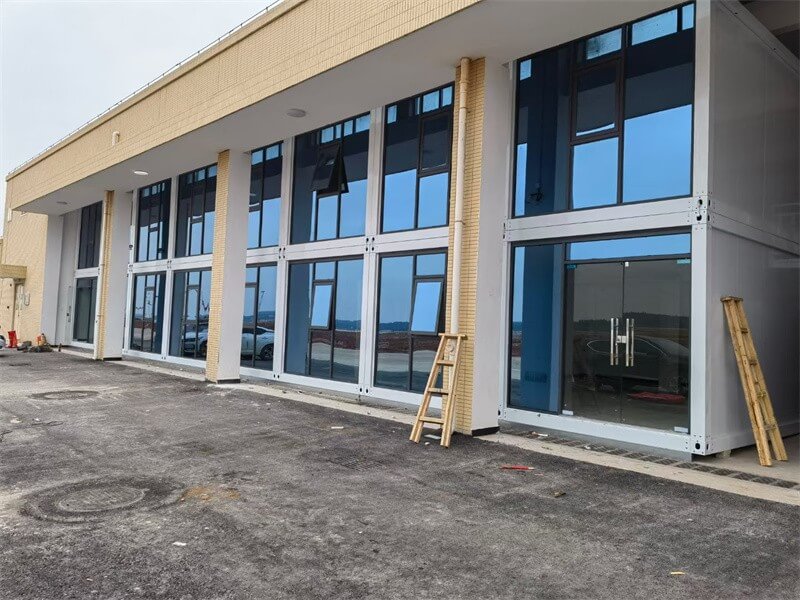
Разумные инвестиции
При поиске модульного жилья для Ближнего Востока не ограничивайтесь базовой ценой, чтобы рассчитать общую стоимость владения:
Проверьте технические характеристики: Всегда запрашивайте отчеты о материалах. Убедитесь, что толщина оцинкованного слоя составляет ≥120 г/м², а плотность минеральной ваты – ≥100 кг/м³.
Проведение посещений объектов: Не полагайтесь на брошюры. Осмотрите проекты, находящиеся в эксплуатации не менее 3 лет, на наличие трещин в сварных швах, вздутий или короблений.
Математика жизненного цикла: Устройство за 1100 долларов со сроком службы 5 лет намного дороже, чем устройство за 2200 долларов со сроком службы более 15 лет. Отдавайте предпочтение долгосрочной ценности, а не первоначальным сбережениям.
Выбор правильного партнера делает достижимой 20-летнюю продолжительность жизни. Выбирая материалы, разработанные с учетом местных условий, и соблюдая график технического обслуживания, вы гарантируете, что ваши инвестиции останутся удобным, безопасным и экономически эффективным решением на долгие годы.
