
プレハブコンテナハウスは暑い気候や熱帯気候に適していますか?
Not every hot climate is the same. A dry desert region, a humid tropical area, and a warm coastal location may all experience high temperatures, but their building requirements can be quite different.
This is why the question should not simply be whether a prefab container house can be used in a hot climate. A better question is: How should a container house be designed for the specific climate?
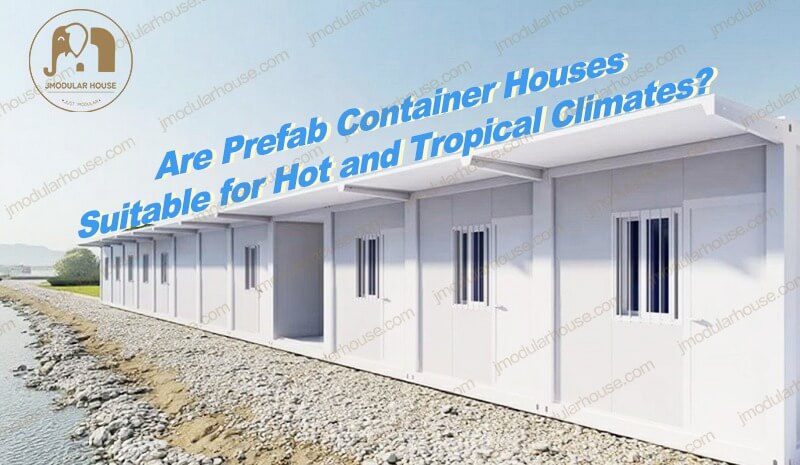
For buyers looking for a container house for hot climate applications, factors such as insulation, ventilation, shading, moisture control, and material selection should all be considered as part of the overall design.
Hot and Dry Regions
In hot and dry areas, strong sunlight and high daytime temperatures are major concerns. The focus is often on reducing solar heat gain and maintaining a more comfortable indoor temperature.
For a container house for hot climate applications in these regions, roof and wall insulation, exterior shading, appropriate windows, and suitable cooling systems can all contribute to better indoor comfort.
A properly planned container house insulation system is particularly important because the roof and exterior walls can be exposed to strong solar radiation for extended periods.
Hot and Humid Regions
Tropical areas present a different challenge. High temperatures are often combined with high humidity and frequent rainfall.
For a prefab container house used in a tropical environment, the design should consider more than thermal insulation. Ventilation, moisture control, waterproofing, drainage, and corrosion protection can also be important depending on the local conditions.
Good airflow can help improve indoor comfort, while a suitable container house insulation system can reduce heat transfer from the hot exterior. Together, these solutions can create a more climate-responsive building.
Warm Coastal Areas
Coastal locations can combine high temperatures with humidity and salty air. For a prefab container house in these areas, corrosion protection becomes an important consideration.
The steel structure and external components should be selected and treated according to the local environment and expected service conditions. Protective coatings and appropriate material choices may help improve durability in challenging coastal environments.
At the same time, insulation and ventilation should not be overlooked. A coastal container house for hot climate conditions may need to balance temperature control with humidity management.
Why Customization Matters
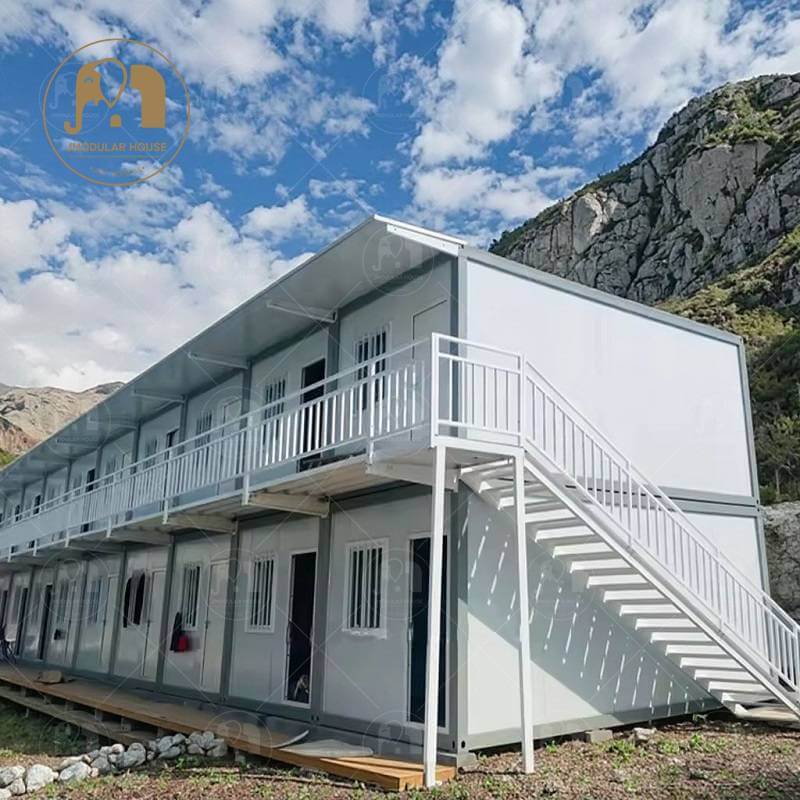
There is no single configuration that is perfect for every hot region. A prefab container house intended for a dry inland area may need a different design from one intended for a tropical coastal location.
This is where customization becomes valuable. Container house insulation, windows, ventilation, roof design, protective coatings, and cooling systems can be considered according to the project’s actual climate and usage requirements.
For a container house for hot climate project, customization can help the building respond more effectively to local temperature, humidity, sunlight, rainfall, and other environmental conditions.
So, Can Prefab Container Houses Be Used in Hot Climates?
In many cases, yes—but climate adaptation should always be part of the planning process.
A well-designed prefab container house should respond to the conditions around it rather than simply use a standard configuration everywhere. The right combination of container house insulation, ventilation, shading, moisture protection, and suitable materials can help create a more comfortable and practical building.
For buyers considering a container house for hot climate, the most important step is to evaluate the local environment and choose a configuration that matches the project’s actual needs.
