
Which Better Serves Society and the Environment: Prefabricated Housing or Traditional Buildings?
In overseas engineering projects, construction is not only a balance between cost and benefit, but also a reflection of environmental responsibility and social impact. The choice between traditional buildings and prefabricated housing determines whether a project can balance environmental protection, social responsibility, and future development beyond economic benefits.
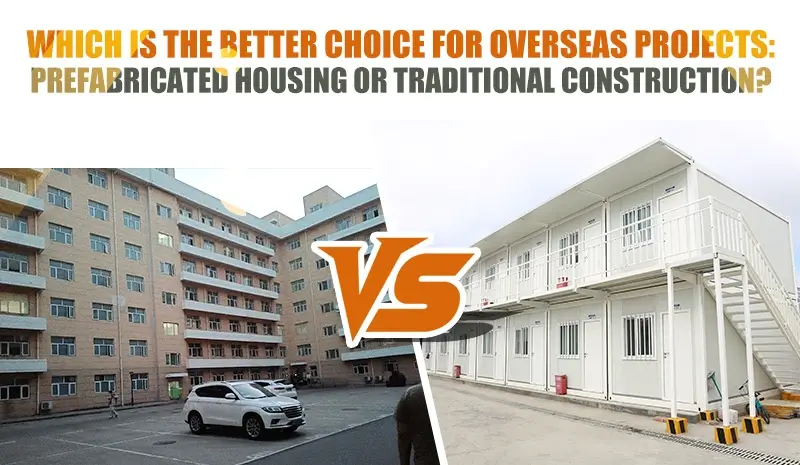
I. Environmental Impact: The Green Genes of Prefabricated Housing
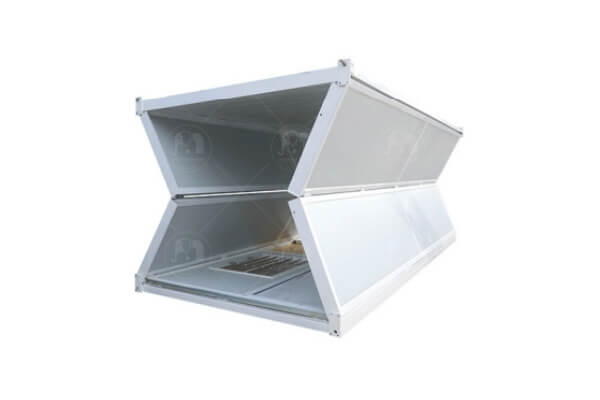
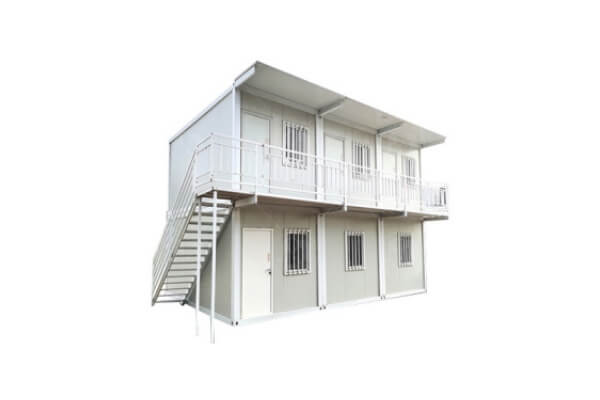
Carbon Emission Differences: Traditional buildings have long construction cycles, and the large-scale use of cement and steel leads to high carbon emissions. Prefabricated housing, through factory prefabrication and modular transportation, reduces on-site construction energy consumption, lowering the overall carbon footprint by 30%-40%.
Material Recycling: Traditional buildings generate a large amount of construction waste after demolition, with a recycling rate of less than 20%. The steel structure and insulation panels of prefabricated housing have a recycling rate of over 90%, achieving material recycling.
II. Social Responsibility: Rapid Response and Humanitarian Care
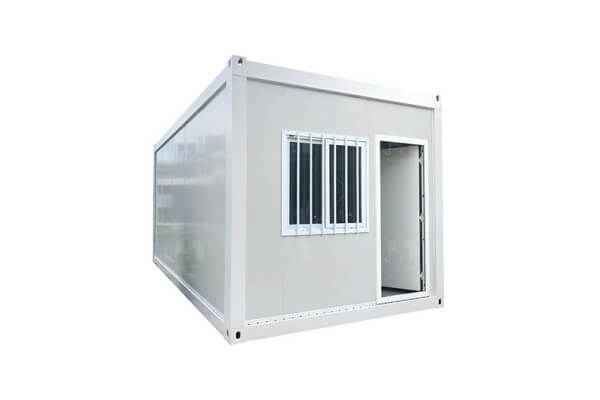
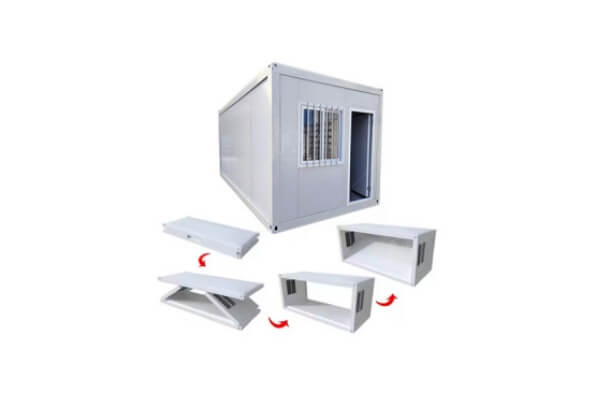
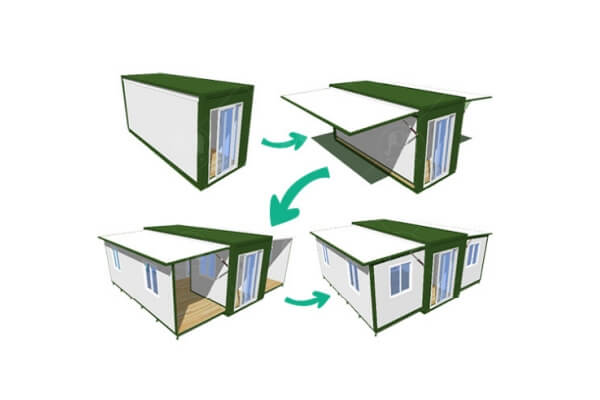
Emergency Scenarios: In natural disasters or humanitarian relief efforts, prefabricated housing can be assembled within weeks, providing safe shelter for affected populations. Traditional buildings, due to their long construction periods, are unable to meet emergency needs.
Labor Structure: Traditional construction relies heavily on on-site workers, posing safety risks and labor intensity issues. Prefabricated housing, manufactured in factories, reduces the number of on-site workers, improving safety and working conditions.
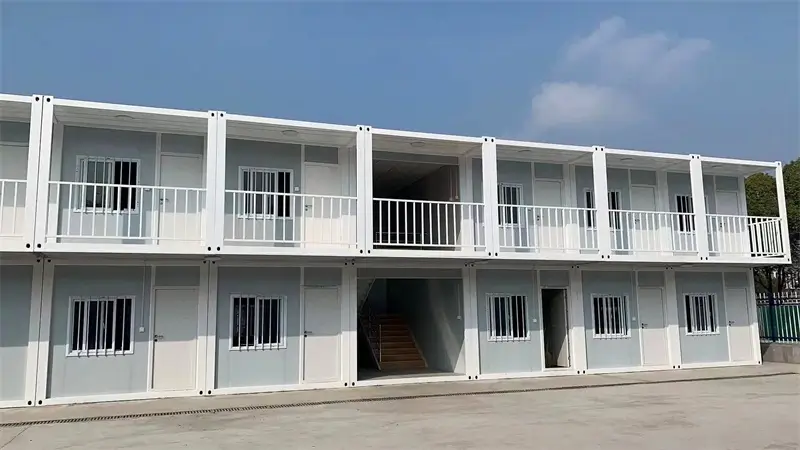
III. Future Development: Flexibility and Global Adaptability
Project Relocation: Prefabricated housing can be disassembled and reassembled multiple times, adapting to different project locations and reducing redundant investment.
Policy Trends: With increasing policy support for green building in various countries, prefabricated housing is more likely to obtain government subsidies and certifications.
Conclusion: Traditional buildings represent “static durability,” while prefabricated housing represents “dynamic sustainability.” In overseas projects, choosing prefabricated housing is not only an economically rational decision but also a positive response to the environment and society. It allows companies to become promoters of global sustainable development while pursuing profits.
