
How Can Containerized Housing Deliver Rapid Deployment and Cost Efficiency for Modern Construction Sites?
As global infrastructure and industrial projects accelerate, companies are under increasing pressure to provide safe, comfortable, and cost-efficient accommodation for workers—often in remote or fast-changing environments. From large construction developments to mining operations and disaster relief missions, containerized housing has emerged as a reliable answer to these challenges.
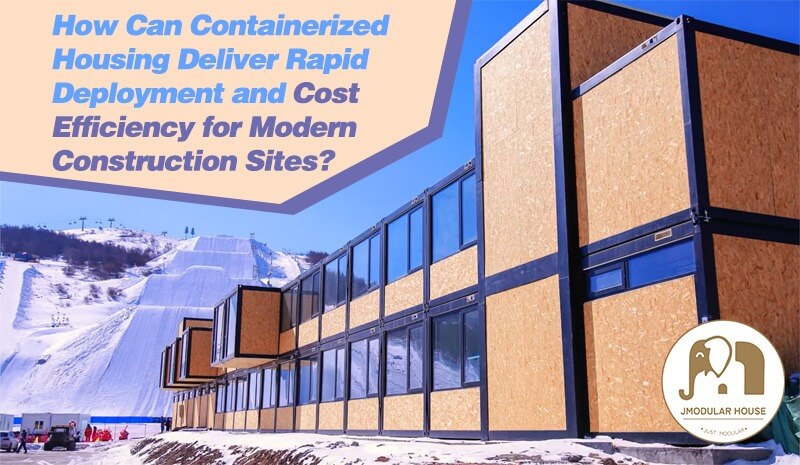
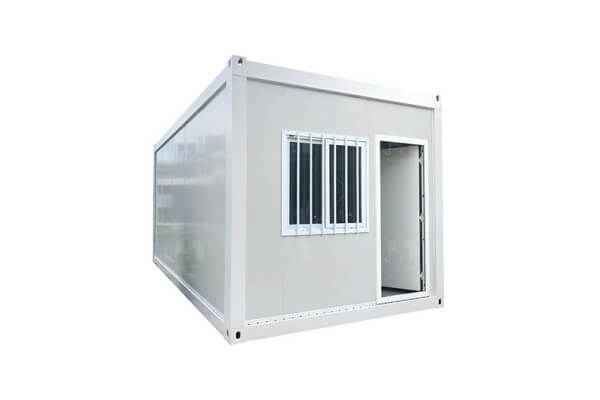
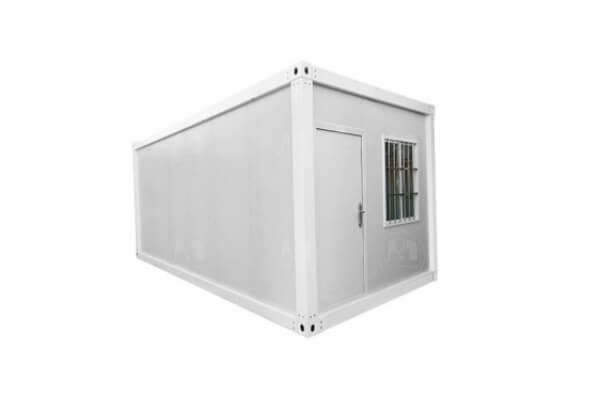
Today, a container house for construction site use is no longer viewed as a temporary compromise. Instead, it represents a strategic investment in efficiency, sustainability, and workforce well-being. With modular design, fast installation, and long-term reusability, rapid deployment housing solutions are transforming how project managers plan and execute site logistics.
Rising Demand: Why Construction Projects Prefer Containerized Housing
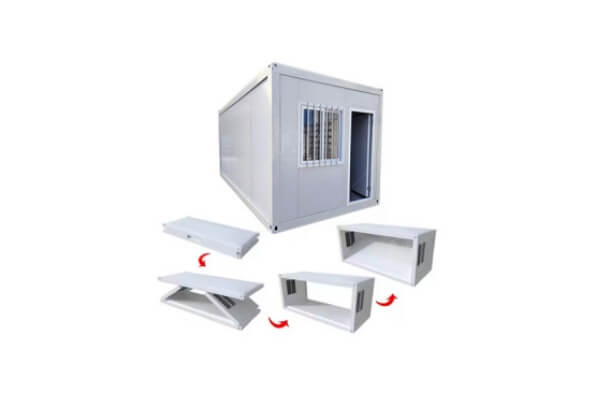
Traditional temporary buildings often involve lengthy construction times, excessive material waste, and limited reuse. In contrast, containerized housing relies on standardized modules that are factory-built and delivered ready for installation.
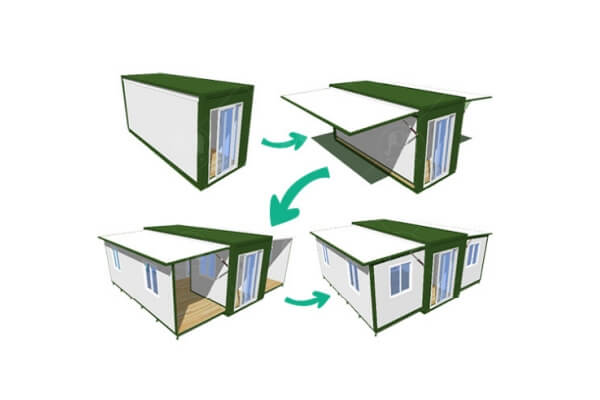
On a modern construction site, delays in worker accommodation can disrupt the entire project schedule. A container house for construction site accommodation can typically be installed within 1–2 hours per unit, allowing a full modular container dormitory complex to become operational within days rather than weeks.
This speed advantage is particularly valuable for projects lasting 6–24 months, where rapid deployment housing ensures teams can mobilize quickly while maintaining high living standards. Additionally, modular units can be relocated and reused across multiple projects, reducing waste and supporting sustainable construction practices.
Core Advantages: Speed, Savings, and Scalability
1. Rapid Deployment That Keeps Projects on Schedule
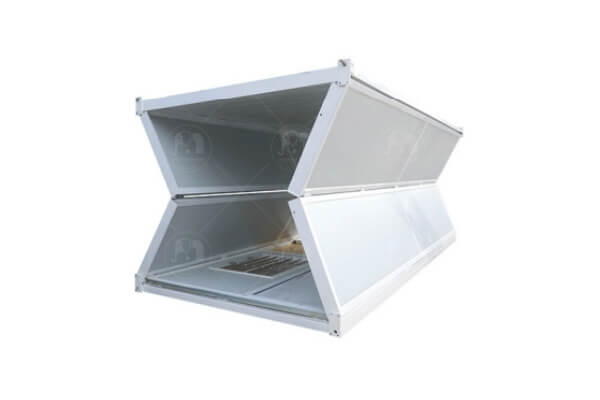
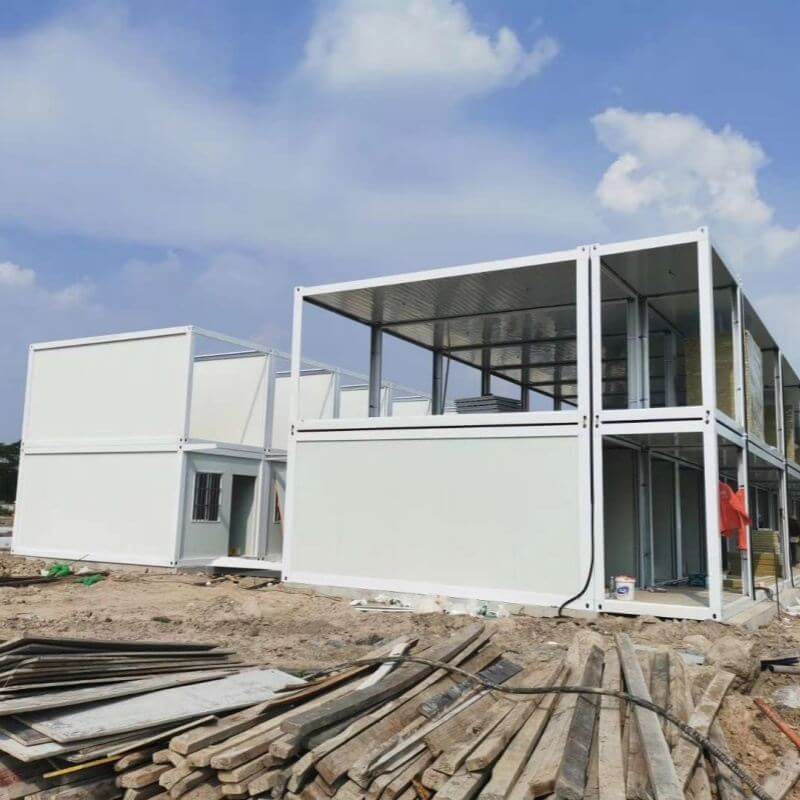
Prefabricated containerized housing units arrive ready for crane placement and connection. A 1,000 m² modular container dormitory can be completed in approximately one week, making it ideal for remote locations, infrastructure corridors, and emergency response scenarios.
2. Cost Efficiency That Improves Project ROI
A container house for construction site accommodation offers measurable financial benefits:
Up to 25% lower initial investment than traditional prefabricated structures
Reduced labor costs due to simplified installation
Lower lifecycle costs through reuse and relocation
Economies of scale from mass production
For contractors managing multiple sites, rapid deployment housing helps control budgets while maintaining consistent quality across projects.
3. Modular Scalability for Evolving Workforce Needs
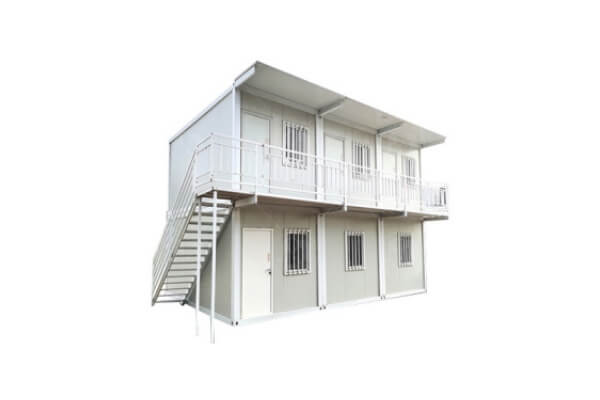
Construction projects evolve, and workforce numbers often fluctuate. Containerized housing allows easy expansion or reconfiguration. Additional units can be added to enlarge a modular container dormitory, while surplus units can be redeployed to new project locations—maximizing asset utilization.
Quality Matters: Choosing a Reliable Manufacturer
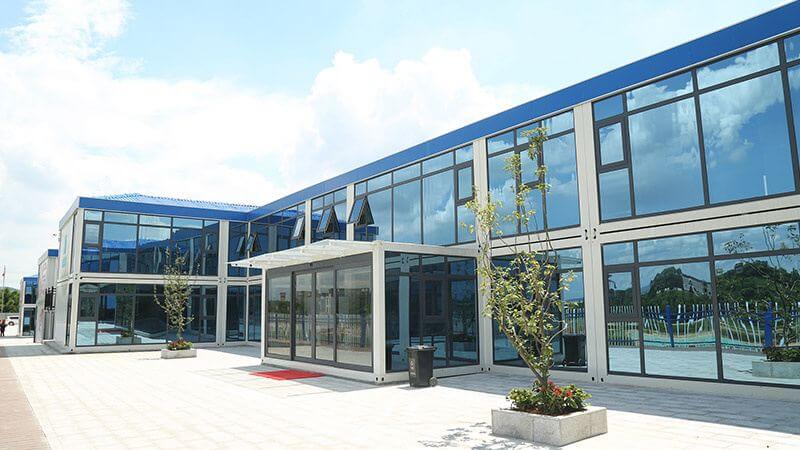
The durability and safety of containerized housing depend on the manufacturer’s engineering standards and production expertise. A trusted supplier of container house for construction site solutions typically provides:
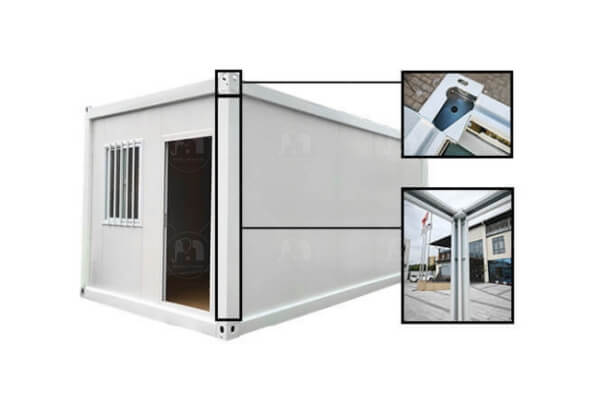
Galvanized steel structures for corrosion resistance
Fire-resistant insulation materials meeting B1 or higher standards
Seismic resistance up to level 8 for enhanced safety
Proven project portfolios and international certifications
Comprehensive after-sales support
Manufacturers with more than five years of experience consistently deliver more reliable rapid deployment housing systems and tailored solutions for diverse climates across Southeast Asia, the Middle East, Africa, and the Pacific region.
Life-Cycle Cost Advantages: Long-Term Value Through Data
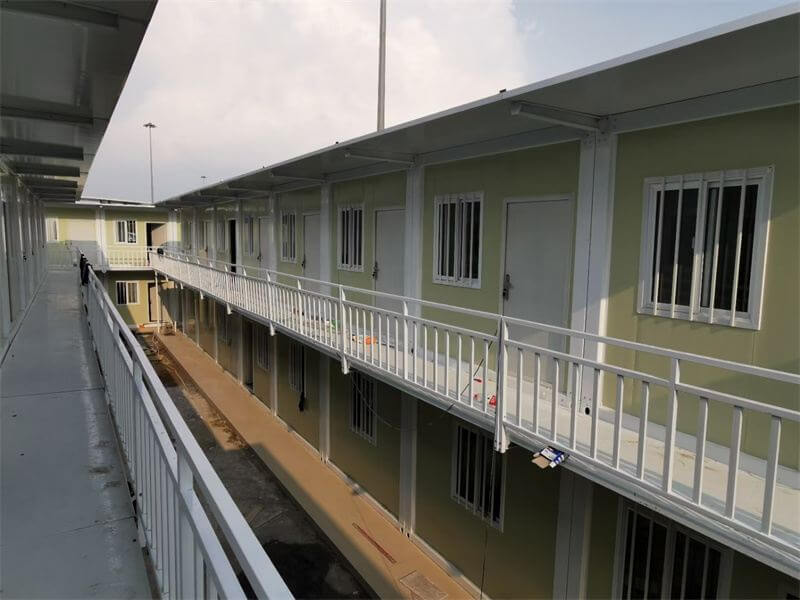
When evaluated across the full project lifecycle, containerized housing demonstrates clear financial advantages. For example, constructing an 800 m² modular container dormitory using 20 units can require significantly lower initial investment than comparable light steel structures.
Because units can be assembled and dismantled multiple times, the cost per use decreases with each deployment. Energy-efficient features—such as insulated panels and optional solar roofing—can reduce energy consumption by up to 35%, lowering operational expenses while supporting sustainability goals.
For companies seeking container house for construction site solutions that balance cost control with worker comfort, this lifecycle value is a decisive advantage.
Industry Trends: Green and Intelligent Rapid Deployment Housing
As environmental regulations tighten worldwide, containerized housing is evolving toward greener and smarter solutions. Leading manufacturers now offer:
Low-VOC, water-based coatings for healthier indoor environments
Solar power integration for off-grid rapid deployment housing
High-efficiency insulation for reduced energy consumption
IoT-enabled monitoring systems for electricity usage and security
Some advanced models achieve material recycling rates exceeding 90%, making the modular container dormitory an environmentally responsible choice for modern projects.
Conclusion: A Smarter Path to Efficient Site Accommodation
From speed and scalability to sustainability and cost control, containerized housing has become the preferred container house for construction site solution worldwide. Its ability to function as rapid deployment housing while delivering long-term value makes it an essential asset for contractors, developers, and project managers.
By partnering with an experienced manufacturer and selecting the right modular container dormitory configuration, companies can create safe, comfortable, and efficient living spaces—ensuring workforce productivity and project success across diverse global markets.
