
Can Container Houses Really Be Comfortable for Long-Term Living?
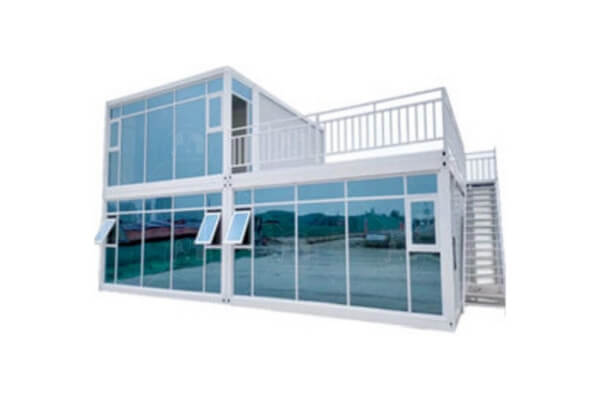
In recent years, container houses have evolved far beyond temporary shelters on construction sites. Thanks to their affordability, rapid installation, and flexible design, mobile container houses are now widely used in worker dormitories, project camps, tourism accommodations, modular villas, offices, and even permanent residential communities.
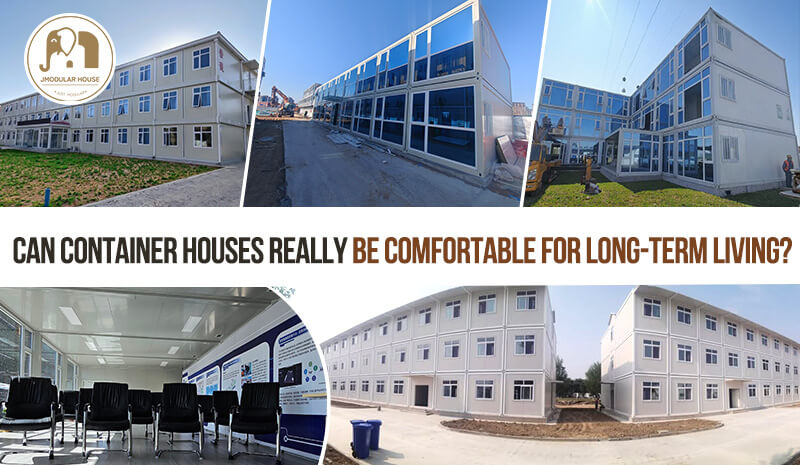
As more people begin exploring alternative housing solutions, one common question continues to arise: can container houses truly support long-term living? The answer is yes. With proper design, quality materials, and regular maintenance, modern container houses can provide safe, comfortable, and durable living environments for many years.
Why Are Container Houses Becoming Popular for Residential Use?
Traditional housing construction often requires high costs, long building periods, and complex procedures. In comparison, prefabricated container houses offer a faster and more flexible solution.
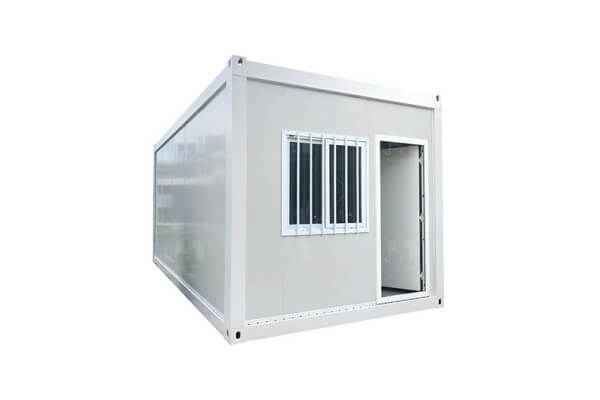
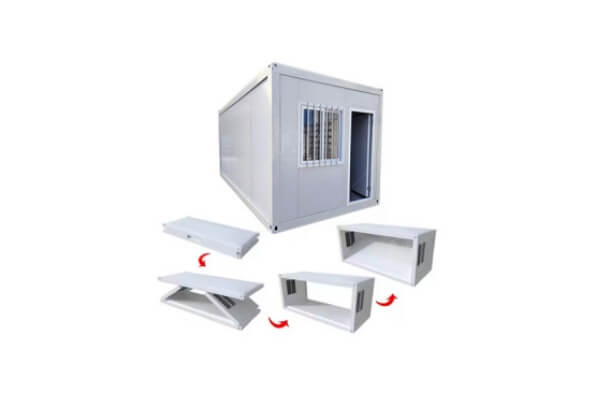
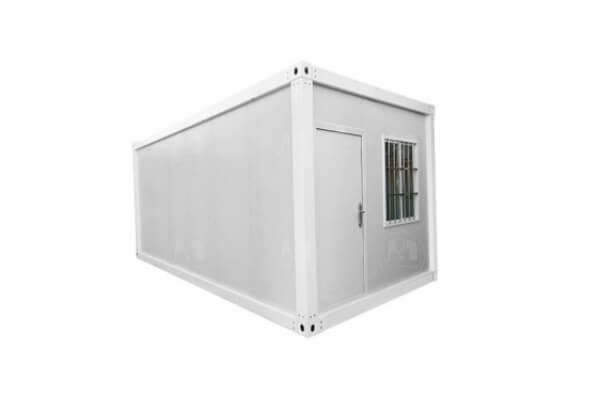
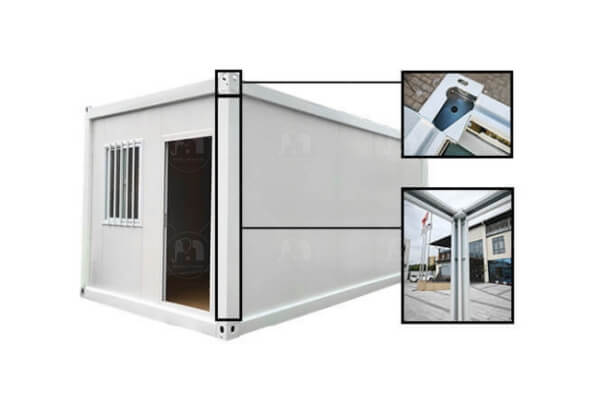
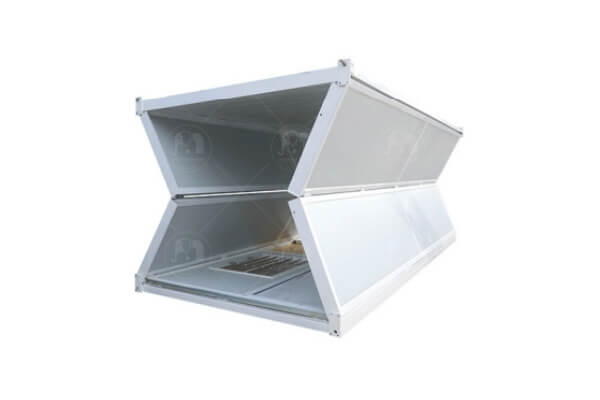
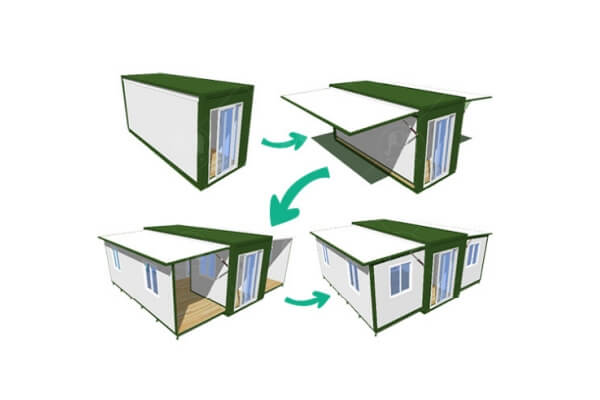
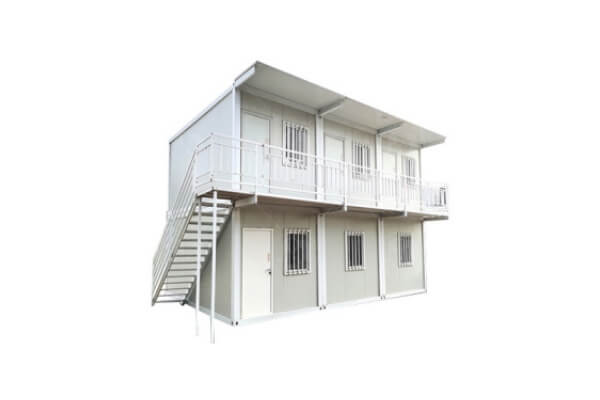
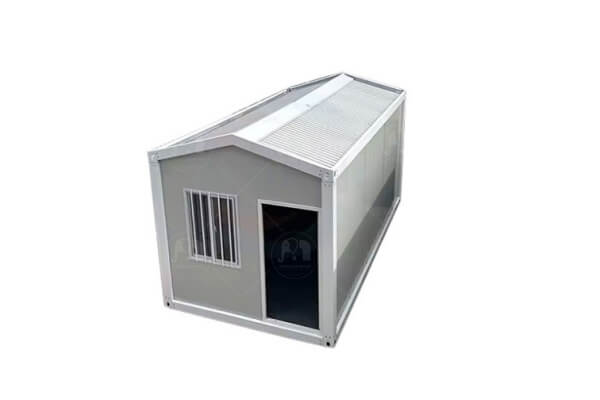
Modern mobile container houses are designed with strong steel structures, insulated wall panels, and modular layouts that can be customized according to different living needs. Whether used as compact apartments, family homes, student dormitories, or holiday cabins, container houses provide practical and efficient spaces at a lower overall cost.
In addition, their portability and modularity make them ideal for areas where rapid deployment or temporary relocation is required.
Are Container Houses Suitable for Long-Term Living?
Many people mistakenly believe container houses are only suitable for short-term projects. However, professionally manufactured container houses are specifically designed for long-term durability and daily comfort.
With proper installation and maintenance, container houses can maintain excellent living conditions for years. Their sealed structure also helps protect against rain, wind, and external environmental conditions.
Furthermore, many container homes today are built using fire-resistant materials and reinforced steel frames, improving both safety and structural stability.
Are There Any Health Risks in Living in a Container House?
One concern some people have is whether the paint or building materials used in container houses could affect human health over time.
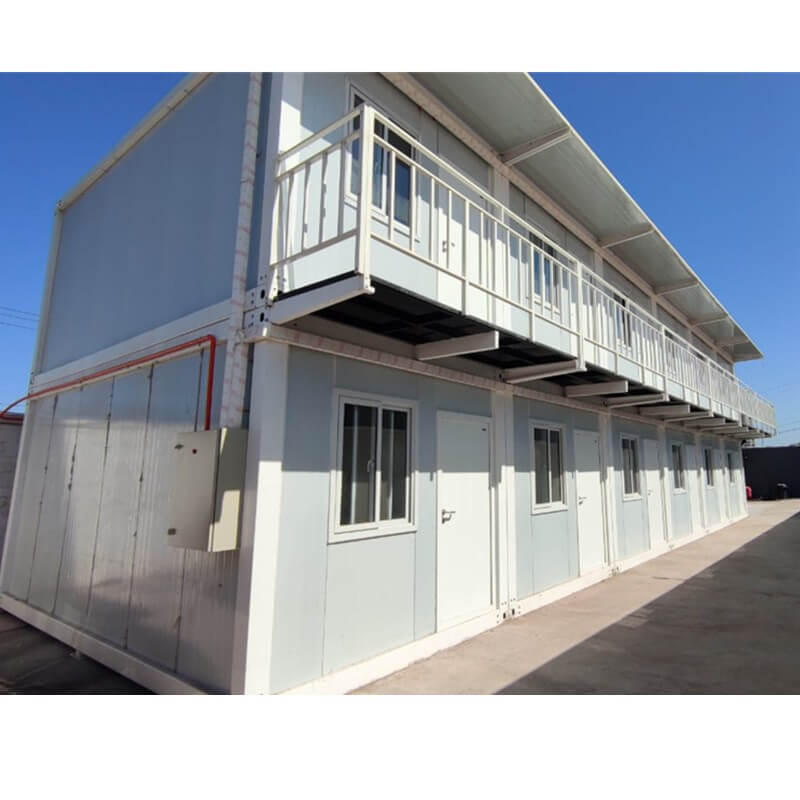
In reality, professionally manufactured container houses are designed to meet modern safety and environmental standards. The exterior paint is applied to the outer steel surface, while the interior living space is usually finished with insulated wall panels and decorative materials that minimize odors and improve comfort.
As long as residents maintain proper ventilation, keep the interior clean, and follow normal living practices, container houses are generally considered safe for long-term occupancy.
The growing popularity of container hotels, container apartments, and container villas worldwide further demonstrates their practicality and safety as modern living solutions.
Advantages of Living in a Container House
1. Fast Construction and Installation
Compared with traditional housing, container houses can be installed much faster, helping users save both time and labor costs.
2. Affordable Housing Solution
Container houses offer lower initial investment costs, making them attractive for both temporary and permanent housing projects.
3. Flexible and Customizable Design
Modular layouts allow users to customize room sizes, interior decoration, and functional spaces according to personal preferences.
4. Eco-Friendly and Sustainable
Many prefabricated container houses use recyclable steel materials and energy-saving insulation systems, reducing environmental impact.
5. Portable and Reusable
Container houses can be relocated and reused multiple times, increasing their long-term value.
